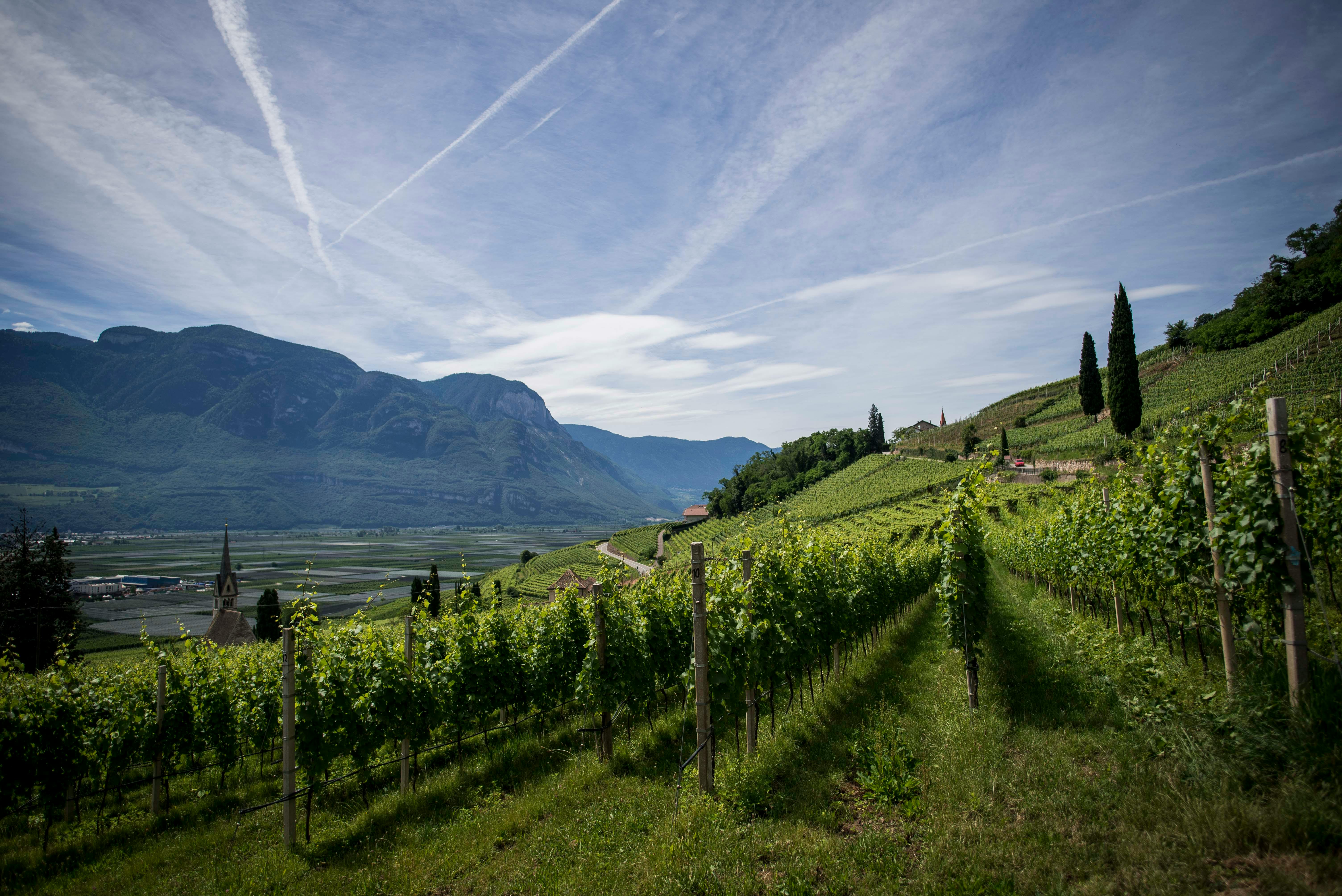
Loire Valley used to be the place Cabernet Franc went to taste like green pepper. Forty years of slowly warmer summers have rewritten that ceiling, and the region now grows the grape at a level of phenolic ripeness that Bordeaux struggles to match without tipping into heat. Yet the same shift made the floor more dangerous.
Cabernet Franc is the Loire's most-planted grape — around 2,555 wines on Femente, more than either Chenin Blanc or Sauvignon Blanc — and most of it sits in the limestone-and-tuffeau corridor that runs through Chinon, Bourgueil, and Saumur. Cabernet Franc needs a long, late ripening window to develop tannin without burning off aromatics, and that is exactly what the new climate gives it. Producers who used to chaptalize routinely now harvest at 13% naturally.
Warmer does not mean easier. 2023 arrived with high rot pressure on Chenin Blanc and patchy Cabernet Franc, demanding brutal sorting. 2024 was worse — rainfall in some sub-zones doubled the annual average, mildew came in waves, and only producers with the labor and cellar discipline to do real selection brought in clean fruit.
Loire Valley
Chenin Blanc rides the same curve from the other side. Dry Chenin used to walk a knife-edge between underripeness and oxidation; warmer years pushed the window wider, and Vouvray and Anjou now produce dry styles that hold malic tension alongside real fruit weight. Sweet wines did not disappear with the shift — botrytis-driven dessert Chenin still works in cooler vintages — but the centre of gravity has moved firmly toward dry.
Producers worth tracking now are the ones whose cellar work caught up to their newfound ripeness. François Chidaine and Domaine des Roches Neuves represent the type — biodynamic farming, low-sulphur cellars, and the patience to leave fruit on the vine until it actually finishes. Loire's old reputation was about whether the climate cooperated. Its new reputation is about whether the winemaker can.