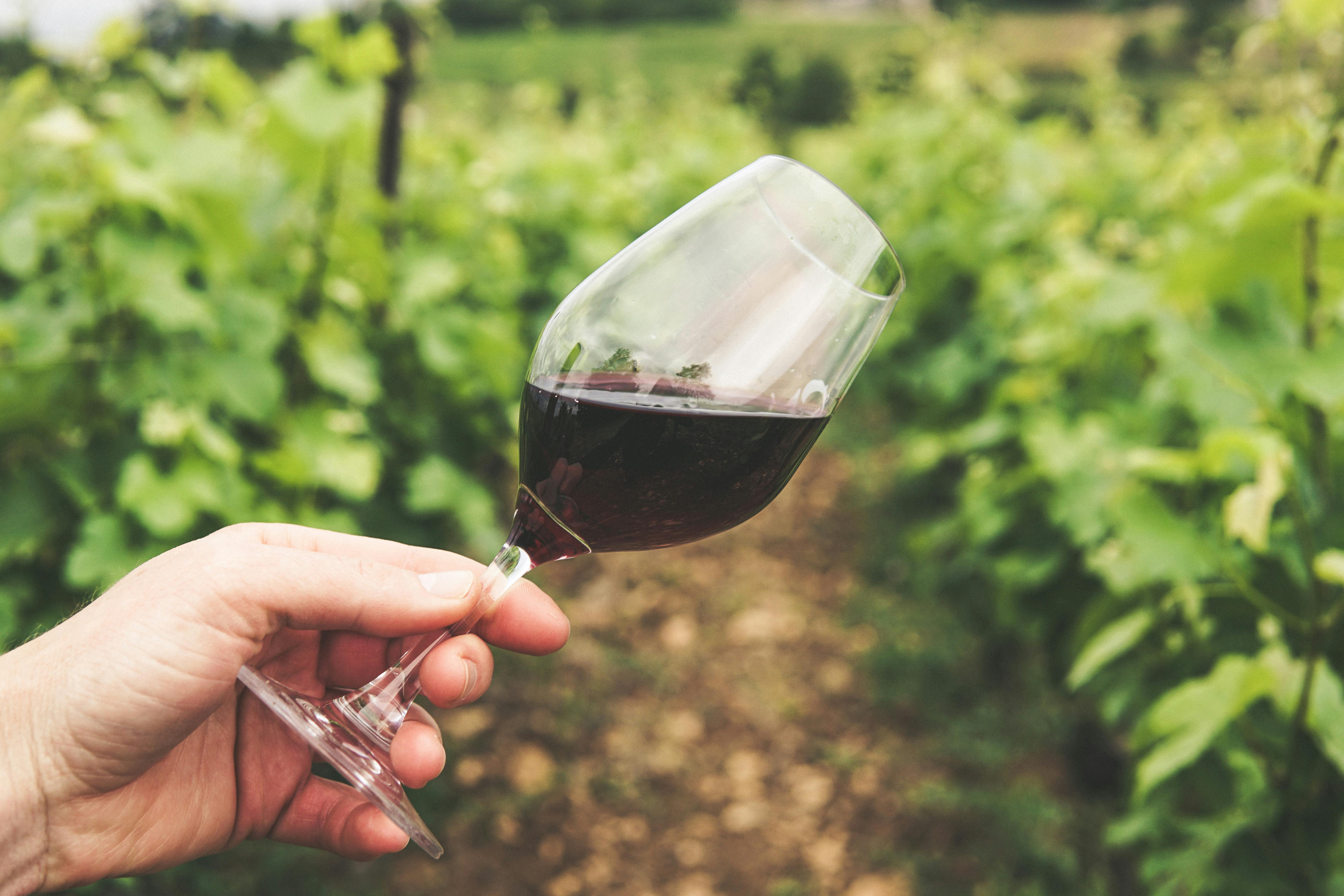
A cooperative is the last place you would expect to find sentiment about a vine, yet Plaimont built its identity on guarding grapes that nobody else thought worth keeping. It speaks for almost all of the Saint-Mont appellation in Gascony, drawing on hundreds of growers, which gives it the scale to take risks a single estate could not.
The clearest example sits at Sarragachies, a plot planted in 1871 whose sandy soil spared it from the phylloxera louse. The vines still grow on their own ungrafted roots, and France has listed the vineyard as a Monument Historique, the only living plant entity to hold that status. Plaimont bottles its fruit as Vignes Préphylloxériques.
Tannat, the dark, tannic backbone of the southwest, anchors the range and runs through more of Plaimont's wines than any other grape. Around it the cooperative keeps Pinenc, the local name for Fer Servadou, and near-vanished reds such as Manseng Noir alive in a conservation collection it treats as a library of cuttings rather than a museum.
None of this is nostalgia. These late-ripening, thick-skinned old varieties hold acidity and structure as summers get hotter, which is why the address that speaks for an entire appellation has become the most forward-looking name in Gascony, its top Saint-Mont bottling already rated 95 by Wine Enthusiast.
South West France