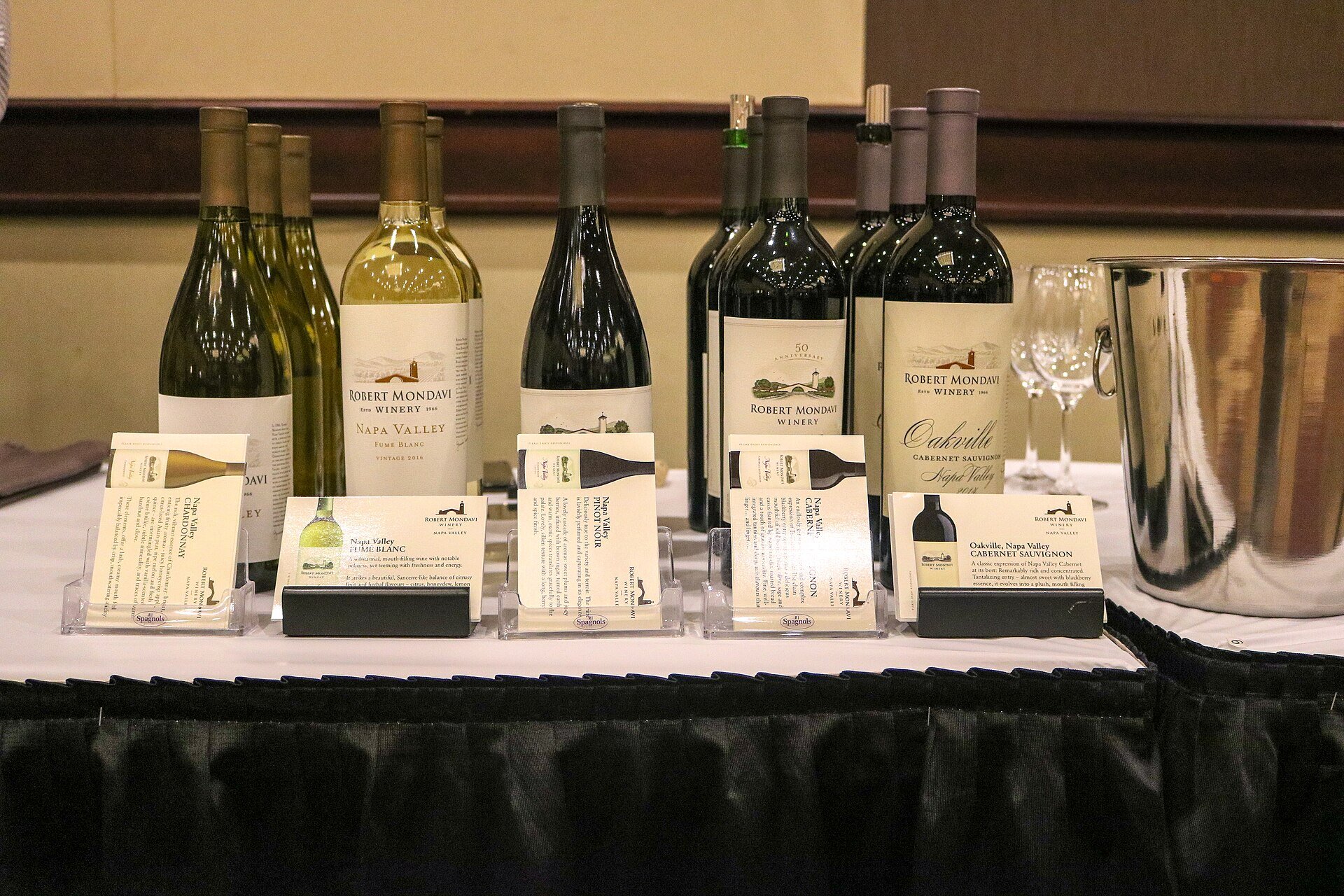
Robert Mondavi understood something his Napa neighbours took decades to accept: a great American wine needs a story as much as it needs a vineyard. When he opened his Oakville winery in 1966, California Sauvignon Blanc had a reputation for being sweet and forgettable, and he set out to change not the grape but the way people thought about it.
In 1968 he renamed it. Borrowing the word Fumé from Pouilly-Fumé in the Loire, he called his dry, oak-aged Sauvignon Blanc Fumé Blanc and treated it like a serious white, barrel-aging fruit from the To Kalon vineyard he prized above all others. The name was invented, but the wine behind it was not a trick — it was an argument that California whites could be built for the cellar, not the punch bowl. Producers across the state soon borrowed the term.
Napa Valley
His real medium, though, was Cabernet Sauvignon, which runs through more of the winery's range than any other grape. The Reserve bottling became the wine that argued Napa belonged beside Bordeaux rather than below it, a case he pressed further by partnering with Mouton-Rothschild to create Opus One. Substance, not just branding, carried the claim.
The company eventually outgrew the man. In 2004 it was sold to Constellation Brands for about 1.36 billion dollars, and the founder's name became a global label spanning price points he never made wine at. What survived the sale was the lesson rather than the ownership: a wine's reputation is something a producer builds on purpose, not something the soil hands over on its own.