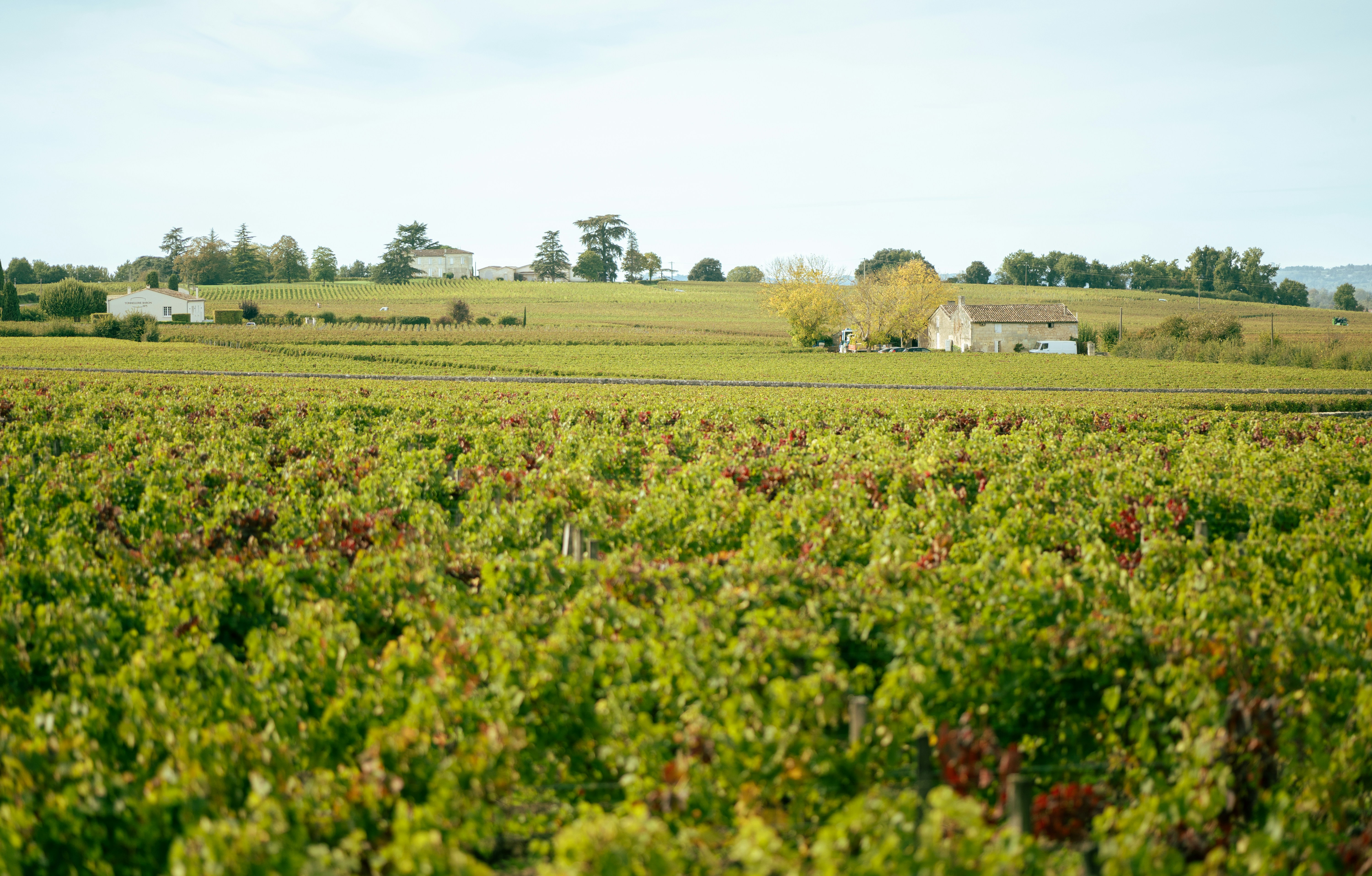
Pull almost any wine vine in Europe out of the ground and you will find a graft scar a few inches above the soil. Above it grows the famous grape — Pinot Noir, Cabernet, Riesling. Below it, doing the unglamorous work of drawing water from the earth, grow the roots of a wild American vine. Nearly every great wine in the world is, quite literally, an immigrant standing on borrowed legs.
The reason is a sap-sucking aphid called phylloxera, which crossed the Atlantic on imported American vines in the middle of the 19th century. European growers first noticed mysteriously dying vineyards in the southern Rhone in the early 1860s. Within four decades the louse had killed close to half of France's vines — some 2.5 million hectares — and reached nearly every wine region on the continent.
Growers tried everything: flooding the fields, burying live toads, dousing roots with chemicals. Nothing worked, because the answer was botanical rather than chemical. American vine species had evolved alongside phylloxera and shrugged it off. Graft a European grape onto American roots and you get both halves — the resistant foundation below, the noble fruit above. France sanctioned the practice at the end of the 1870s, and grafting has been standard ever since.
Maipo Valley
A few places never had to graft. Chile, walled off by desert, ocean and the Andes, kept phylloxera out altogether, which is why a Maipo Cabernet can still grow on its own ungrafted roots. Pockets of pure sand, which the louse cannot tunnel through, survived too — parts of coastal Portugal, scattered old plots in Australia and Argentina. 'Ungrafted' on a label is one of wine's rarest and proudest boasts.
What looks like a story about a pest is really a story about dependence. The European wine the world treats as the summit of tradition only survives thanks to a rescue from the New World it had spent centuries looking down on. Every classic bottle carries that quiet compromise underground, where no taster ever sees it.