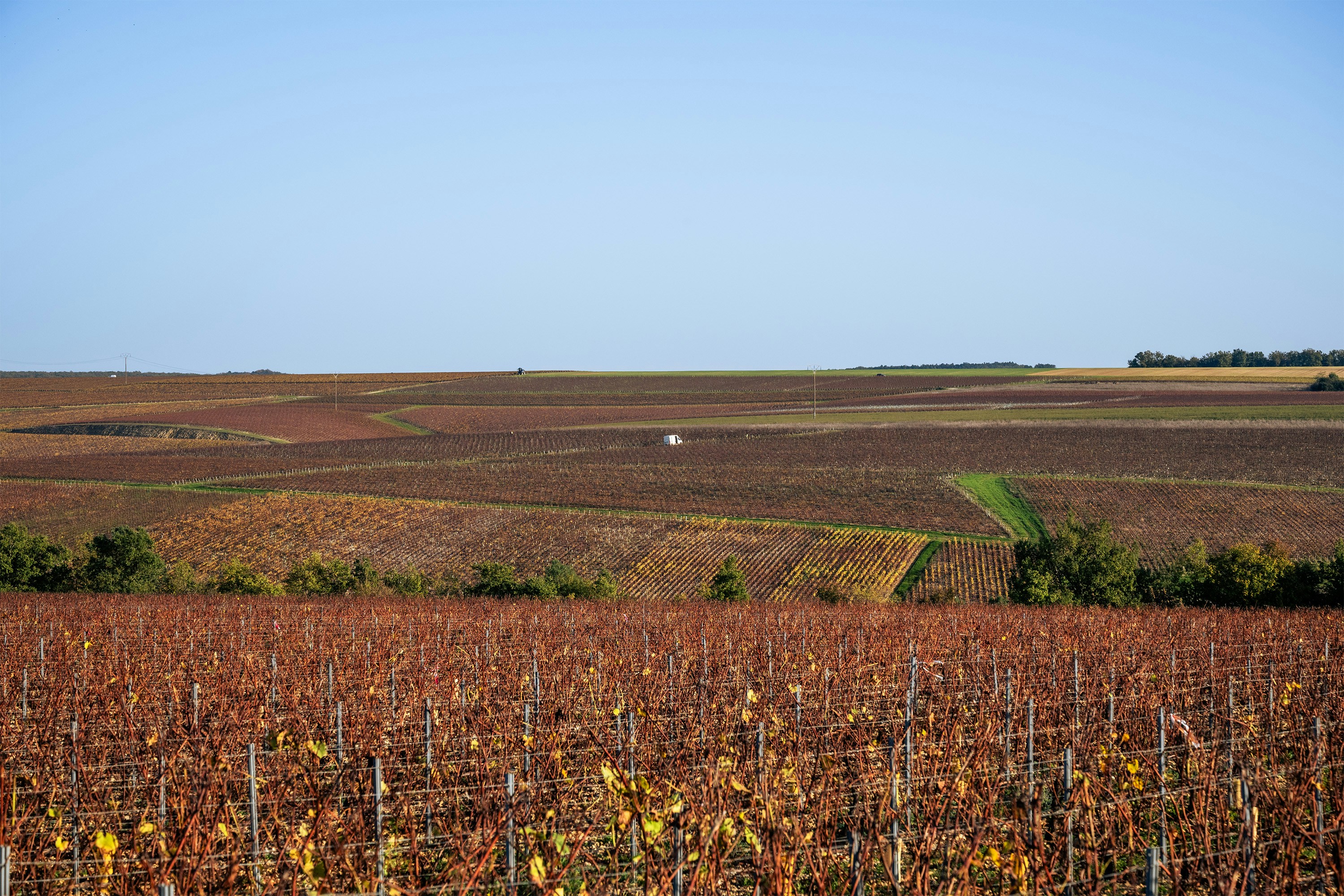
Chablis is where people first learn to say 'mineral' about wine and mean it. Grown on Kimmeridgian limestone — sedimentary rock formed 150 million years ago from an ancient shallow sea — the appellation's Chardonnay carries a saline, flinty character that critics and drinkers alike reach for the same word to describe. The romantic explanation has always been that the fossilized oyster shells compressed into the limestone somehow impart their character to the wine. That explanation turns out to be almost certainly wrong.
In 2024, a peer-reviewed study analyzing more than 16,000 tasting notes for Chablis Premier Cru wines found that soil and geology are not a principal source of the mineral quality in the wine. Growing season warmth and sunshine — not rock composition — were the factors most relevant to whether tasters described a wine as mineral. Minerals do not travel from soil into wine in detectable sensory form; what the vine actually derives from the Kimmeridgian bed is information about drainage patterns, water retention, and temperature modulation. Not the taste of compressed shells.
What creates the mineral sensation is likely a combination of vine stress from the limestone's sharp drainage, the reduced yields that poor, stony soils impose, and the region's northern position producing wines with high acidity and low residual sugar. Together these conditions let a palate register complexity rather than fruit. The oyster-shell story is a useful metaphor for what's in the glass; it just isn't a chemical mechanism.
Chablis
What the debate doesn't touch is the quality of the wines. Domaine Laroche's Grand Cru Les Clos earned 99 points from Wine Spectator; Vincent Dauvissat's Chablis bottlings regularly draw 98 from Decanter — results that place these wines in the company of France's finest whites. Understanding that the 'mineral' explanation is contested doesn't diminish what's in the glass; it makes Chablis' distinctiveness more interesting, not less. Whatever the Kimmeridgian limestone is doing to the vines above it, the wine it produces is genuinely different from every other Chardonnay on earth.