Two bottles can both say Grand Cru and guarantee completely different things, because France never built one system behind those words. Each region invented its own ranking, kept its own logic, and simply happened to reach for the same flattering phrase. Knowing which system stamped the label matters more than the words themselves.
Burgundy classifies dirt. Its 33 grand crus are vineyards, each with its own appellation, and the rank belongs to the plot no matter who farms it. Brilliant and careless producers can hold rows in the same cru and print the same words, which is why Burgundy lovers memorize growers, not just vineyard names.
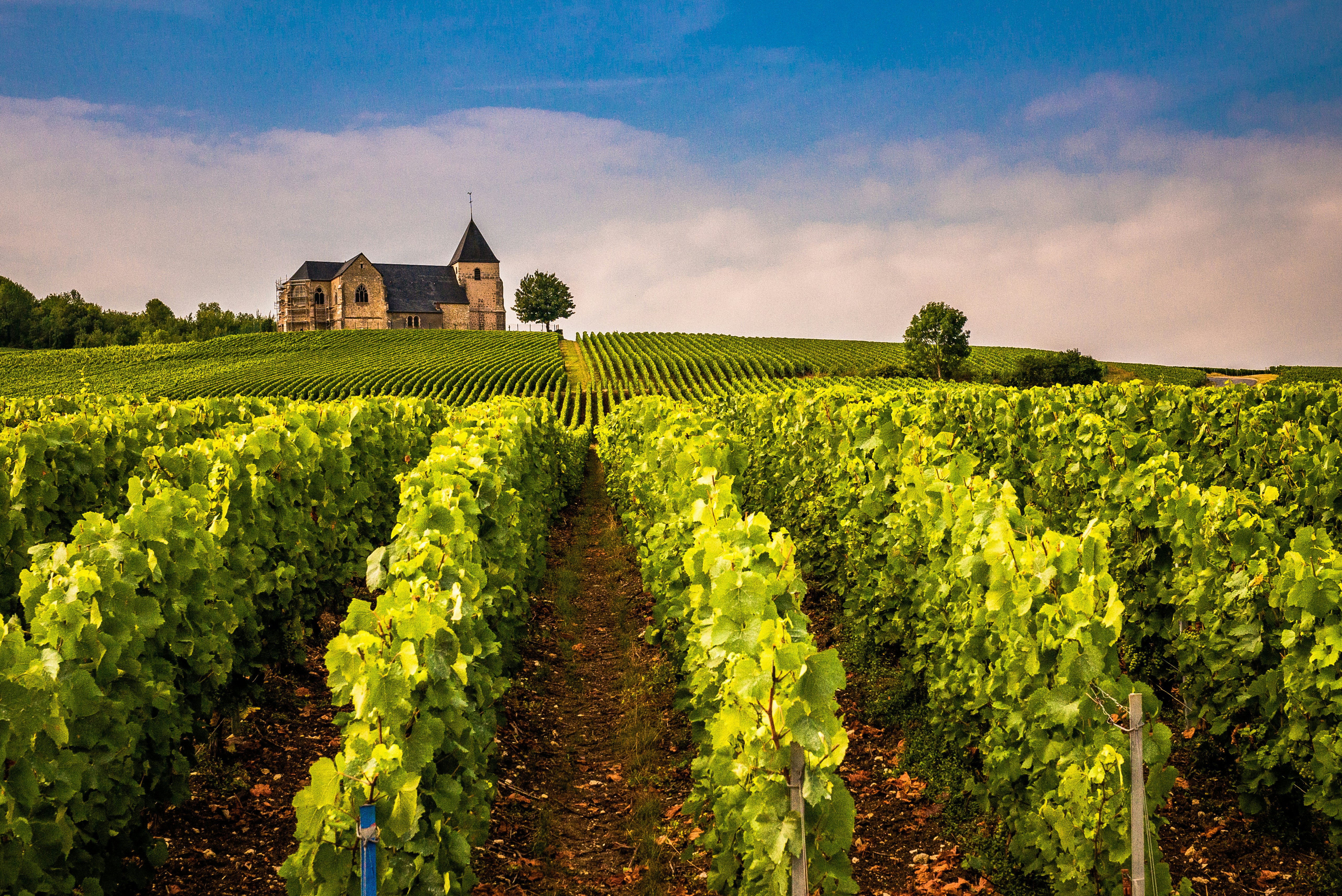
Champagne classified villages instead. Grand cru there means the grapes come from one of 17 communes rated at the top of a scale originally built to set grape prices, a list that reached its current length in 1985. Nothing about the specific slope, exposure or grower is implied: an entire village carries the title together. Alsace runs a third model, with 51 named single sites held to tighter yield and grape rules than the regional appellation.
Champagne
Bordeaux never ranked land at all. The 1855 classification graded châteaux, commercial estates that can buy vineyards, sell them, or replant, all while keeping their rank. Saint-Émilion muddies the water further: there, plain grand cru is an appellation step that a very large share of the area's estates qualify for, a long way from the exclusivity the phrase suggests in Burgundy.
None of these systems is wrong. They answer different questions: where the vines grow, which village raised the grapes, which company made the wine. Femente tracks more than fourteen thousand wines carrying the phrase, and the useful skill is reading the region first, so you know which question the label is actually answering.