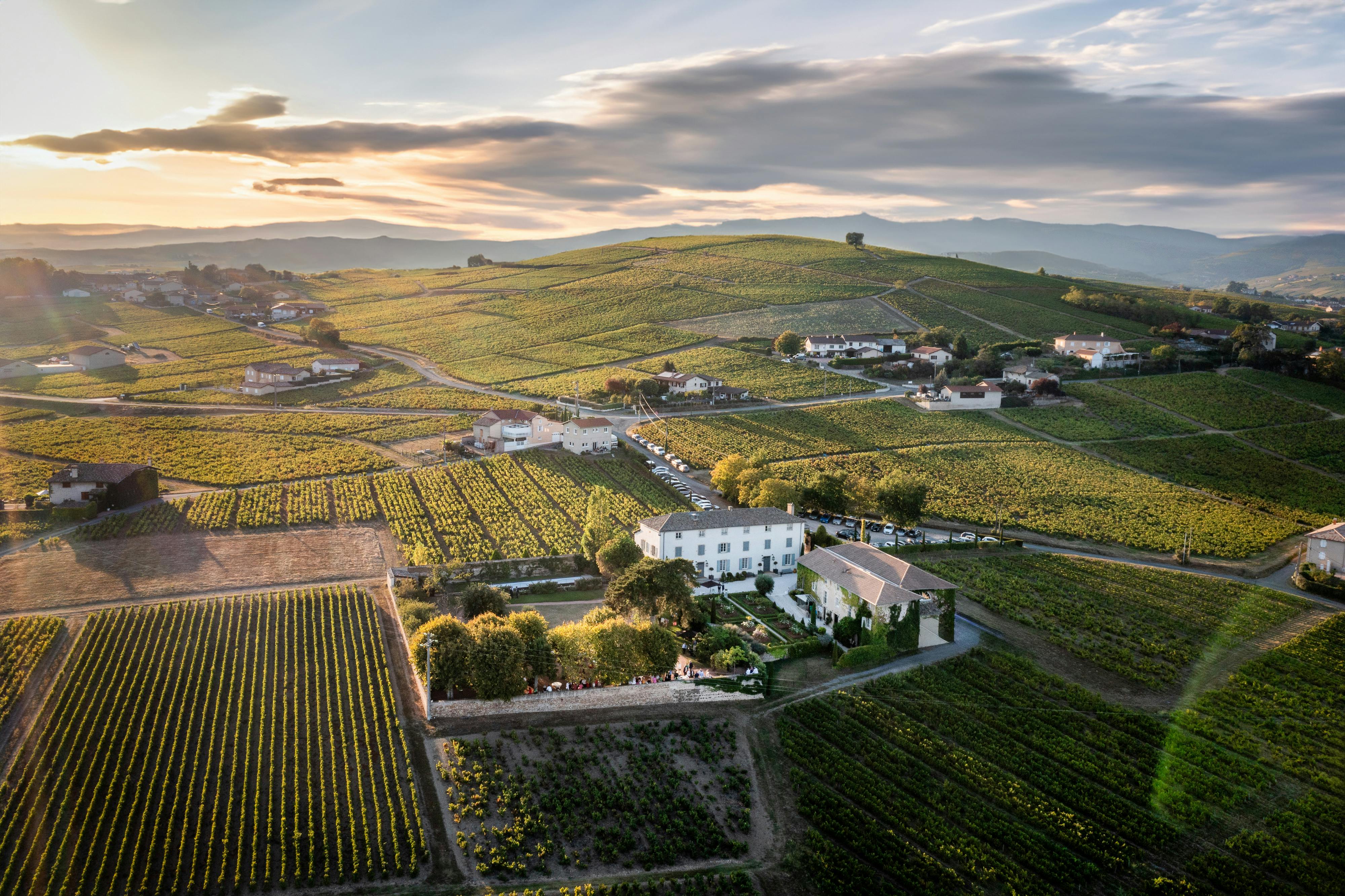
Beaujolais and Burgundy sit side by side in eastern France, share a border, and taste nothing alike — and the reason is a grudge, not a soil map. Beaujolais grows Gamay because Burgundy expelled it.
In 1395 Philip the Bold, Duke of Burgundy, issued one of wine history's angriest documents. He called Gamay a very bad and very disloyal grape whose wine made people ill, and ordered every vine in the duchy torn out within a month. The charge was really about ambition: Gamay ripened earlier and yielded more than Pinot Noir, and the Duke feared it would crowd out the finicky grape that had made Burgundy's name.
The edict had one gap. Beaujolais lay at the southern edge of the Duke's territory, a rural backwater he never bothered to police, and Gamay had grown around Lyon since Roman times. So the grape did not die; it moved. Pushed off the limestone slopes of the Côte d'Or, it settled into the granite hills of Beaujolais, which turned out to suit it far better than the ground it was banished from.
Beaujolais
Six centuries later the split is still in the bottle. Gamay is overwhelmingly a Beaujolais grape today, more concentrated there than anywhere else in France, while Burgundy's heartland stayed loyal to Pinot Noir, which outnumbers Gamay there roughly seven to one. The Duke got the hierarchy he wanted; he just created a second region in the process.
That history is why the two wines feel opposite. Burgundy's Pinot Noir is the grape a duke protected; Beaujolais's Gamay is the grape that got away, and it still drinks like it — bright, juicy, and unbothered by the seriousness next door. Next time the two turn up side by side on a list, you are not comparing neighbours. You are looking at a 14th-century argument that never quite ended.