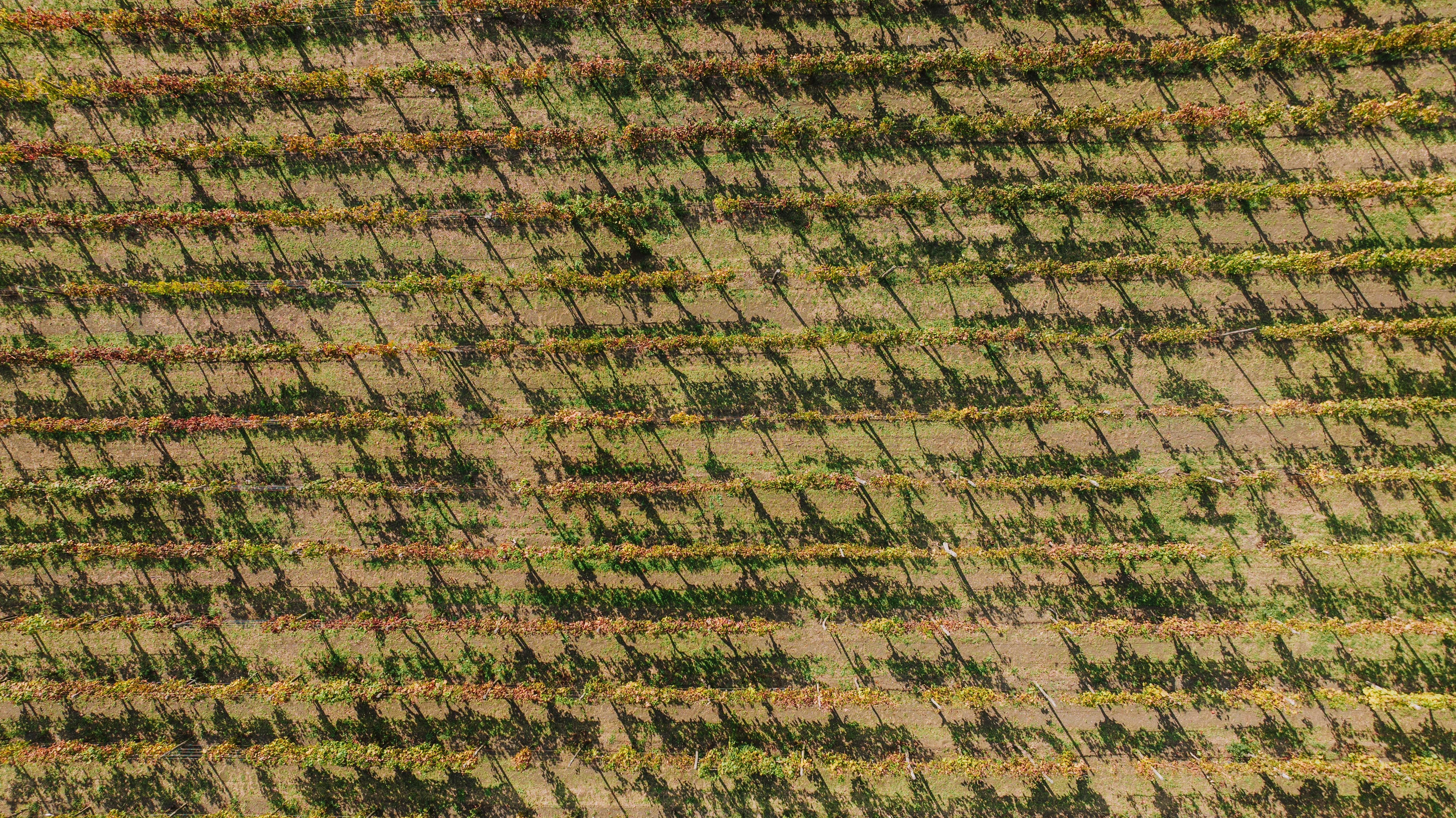
Aglianico almost did not survive the post-war retreat from southern Italian reds. Phylloxera had thinned the old Campanian vineyards a generation earlier, and farmers ripped out what remained to plant grain or graft over to easier varieties. Mastroberardino, working out of the village of Atripalda in the hills east of Naples, kept its Aglianico and bottled it as Taurasi while neighbours were giving up. Aglianico's modern revival starts there.
Taurasi is one wine: 100 percent Aglianico, grown on the volcanic soils south of Avellino, aged long enough that the tannins quiet down and the savory bass note — leather, tobacco, dried plum — comes forward. It is sometimes called the Barolo of the South, which sells the comparison short. Aglianico is tougher than Nebbiolo on its skin and slower to give up its grip in the glass. Young Taurasi can be punishing; an aged Riserva is one of the more honest red-wine experiences Italian winemaking offers.
Mastroberardino
Antonio Mastroberardino spent the 1970s and 80s working with ampelographers to identify and propagate the region's near-forgotten varieties. Aglianico got the spotlight, but the same project preserved Fiano, Greco and Piedirosso — grapes that now anchor most of Campania's serious wine list. Without that work, the southern Italian wine map would look different and shorter.
In 1996 the Italian government invited Mastroberardino to manage replanted Roman vineyards inside the Pompeii archaeological park. Those vines went into the ground following plans recovered from villas buried by the AD 79 eruption of Vesuvius — same varieties, same trellising, same approximate spacing. Wine from those rows, Villa dei Misteri, is not commercially significant. What matters is that the estate is now the custodian of how Campania farmed wine before Pompeii was destroyed.
Femente tracks Mastroberardino's Taurasi line at consistently top critic scores, but the estate's reputation rests less on individual vintages than on the choice the family made to keep planting grapes nobody wanted. Campania's flagship exists because one estate refused to switch.