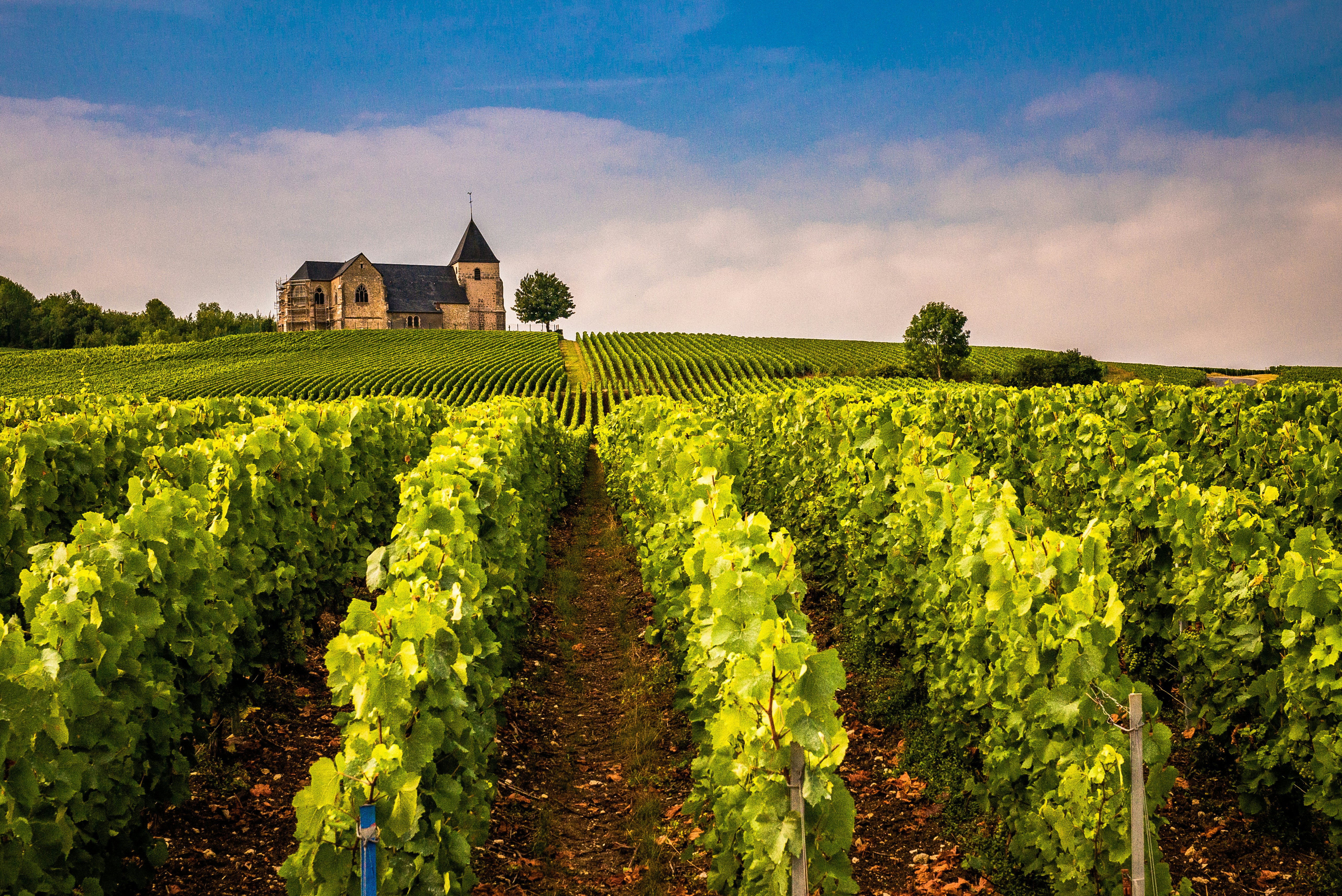
Most Champagne is an act of blending away difference. Big houses assemble dozens of villages and several years into a consistent house style, the same cuvée bottle after bottle. Anselme Selosse spent his career doing the opposite — treating Champagne the way Burgundy treats wine, as the voice of one grower's plots.
Selosse took over the family estate in Avize, a grand cru village in the Côte des Blancs, in 1980 and rebuilt it around ideas borrowed from a Japanese farmer-philosopher: minimal intervention in the vineyard, fermentation in oak, deliberate exposure to air, and almost no dosage — the sugar most houses add to round off the finish. The result tastes savory, saline, almost nutty, nothing like the festive, fruity shorthand the word Champagne usually triggers.
The clearest break came in the bottle. Selosse began vinifying single parcels — lieux-dits — separately and labelling them by site, a gesture almost unheard of in Champagne when he started. Femente tracks nine wines under the estate, all sparkling and built around Chardonnay, with the Blanc de Blancs and the Le Mesnil lieu-dit both rated near 96 by professional critics.
Jacques Selosse
Anselme handed the estate to his son Guillaume in 2018, but the template had already escaped him. The grower-Champagne movement — small farmers bottling their own fruit instead of selling it to the houses — runs on the argument Selosse made first: that the most interesting thing about a Champagne might be the patch of chalk it grew on, not the brand on the label. Pour a glass expecting celebration and you'll be puzzled; pour it expecting a white Burgundy with bubbles and it makes sense.