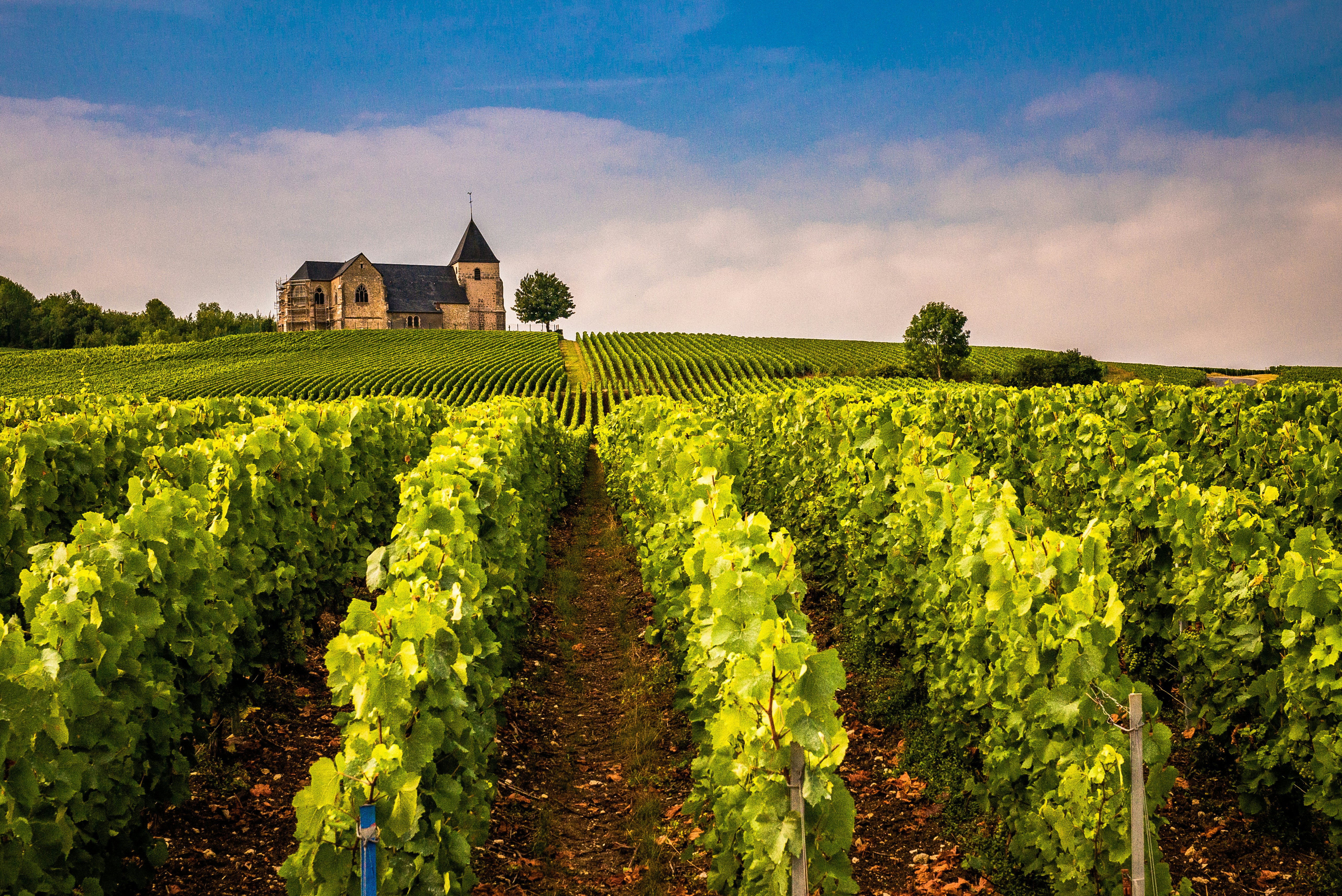
Champagne built its identity on the blend — the chef de cave's gift for erasing parcel and vintage so that every bottle of Brut tasted recognisably itself. The script has changed. A generation of growers has dragged origin and year back into the conversation, and the houses they once eclipsed have started to follow.
Anselme Selosse came back to his family vines in 1974 after studying in Burgundy, where slope and parcel were the only vocabulary anyone used. He treated his Chardonnay like a Burgundian would — single sites, oak fermentation, low dosage, no additions to mask what the year had given. Cédric Bouchard followed at Roses de Jeanne, taking the same logic further: one grape, one vineyard, one vintage per cuvée, full stop. Their bottles ended up on the lists where Krug used to stand alone.
Jacques Selosse
Climate handed them an argument the houses could not dismiss. Harvests in Champagne have moved roughly eighteen days earlier across three decades, and the first August pick in the region's modern record came in 2003. Fruit that once needed assemblage to reach drinkability now arrives ripe from a single parcel — the technical case for blending as survival weakens with every warm autumn.
Vintage is no longer a marketing add-on. The 2008s came from a cool, classical year and produced the high-toned, citrus-driven Champagne that ages on chalk minerality; the 2012s survived frost and disease, then a hot August, and rewarded growers who waited. Across the prestige reviewers tracked here, both harvests sit at the top of the region's averages — in the band reserved for years where the conditions wrote something legible onto the wine.
The market table shows it now. Jacques Selosse and Krug share the top critic band on Femente, scored as peers on the same scale. Houses have started taking notes from growers: multi-vintage cuvées now wear edition numbers, and house bottlings cite their base year on the back label. The Champagne on the table will, more and more often, tell you the village and the year it came from. That is the contract the growers wrote, and the houses have started to sign it.
Champagne