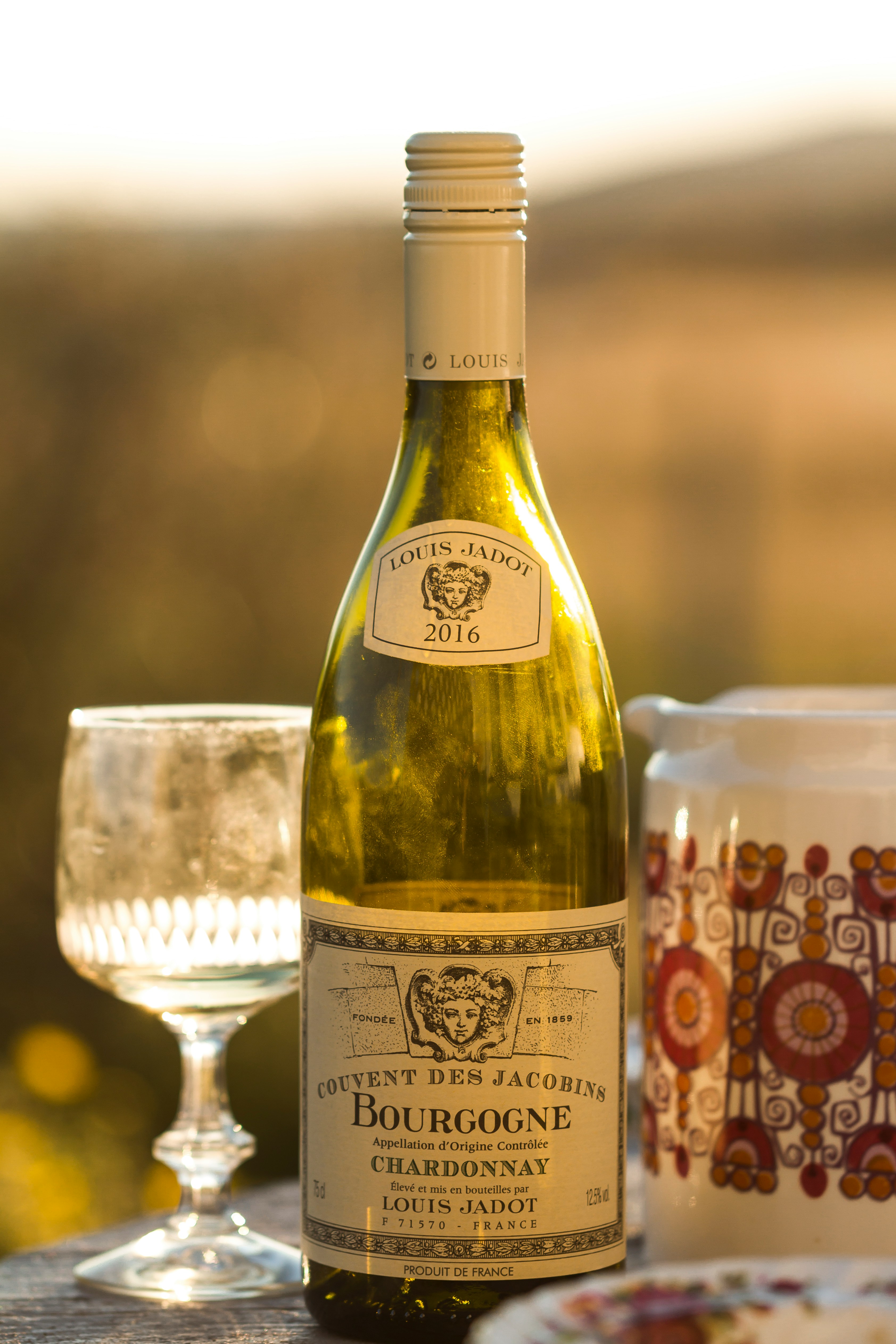
Négociant is a word that gets in the way of understanding Louis Jadot. Founded in Beaune in 1859, the house has long been grouped with the large commercial operators who buy grapes across Burgundy and bottle under a single label. But Jadot also owns 132 hectares of estate vineyards across 90 individual sites — one of the largest private landholdings in the Côte d'Or. Wines from those vineyards carry a 'Domaine Louis Jadot' designation; wines from the négociant operation do not. Reading the label correctly changes the conversation about price and quality.
The estate's ceiling is high. Chambertin Clos de Beze and Clos Saint-Jacques — a Gevrey-Chambertin Premier Cru that consistently overperforms its classification — have both been rated at 98 points by critics. Clos des Ursules, Jadot's wholly-owned Beaune Premier Cru, is the house's most personal statement: Jadot-farmed, Jadot-vinified, and a clear expression of what the domaine believes about Pinot Noir grown on limestone.
The négociant operation covers far more ground — Beaujolais Crus, Mâconnais whites, and village-level Burgundy for earlier drinking. What holds it together is a refusal to adjust the winemaking approach by appellation status: every wine is made the same way, in the belief that the site should do the distinguishing, not the cellar. This is rarer among large-volume producers than it sounds.
Louis Jadot
That philosophy holds up under pressure. Jadot's 2010 — a classically structured Burgundy vintage — averages 91.8 points across its portfolio, a consistency that runs from village Gevrey-Chambertin to Grand Cru. The négociant designation, with its suggestion of commerce over craft, has always attached itself to the wrong bottle. What Jadot built over 160-plus years is an estate — scattered across dozens of sites, unified by a single approach to what Burgundy should taste like — and that is the thing worth understanding before opening one.