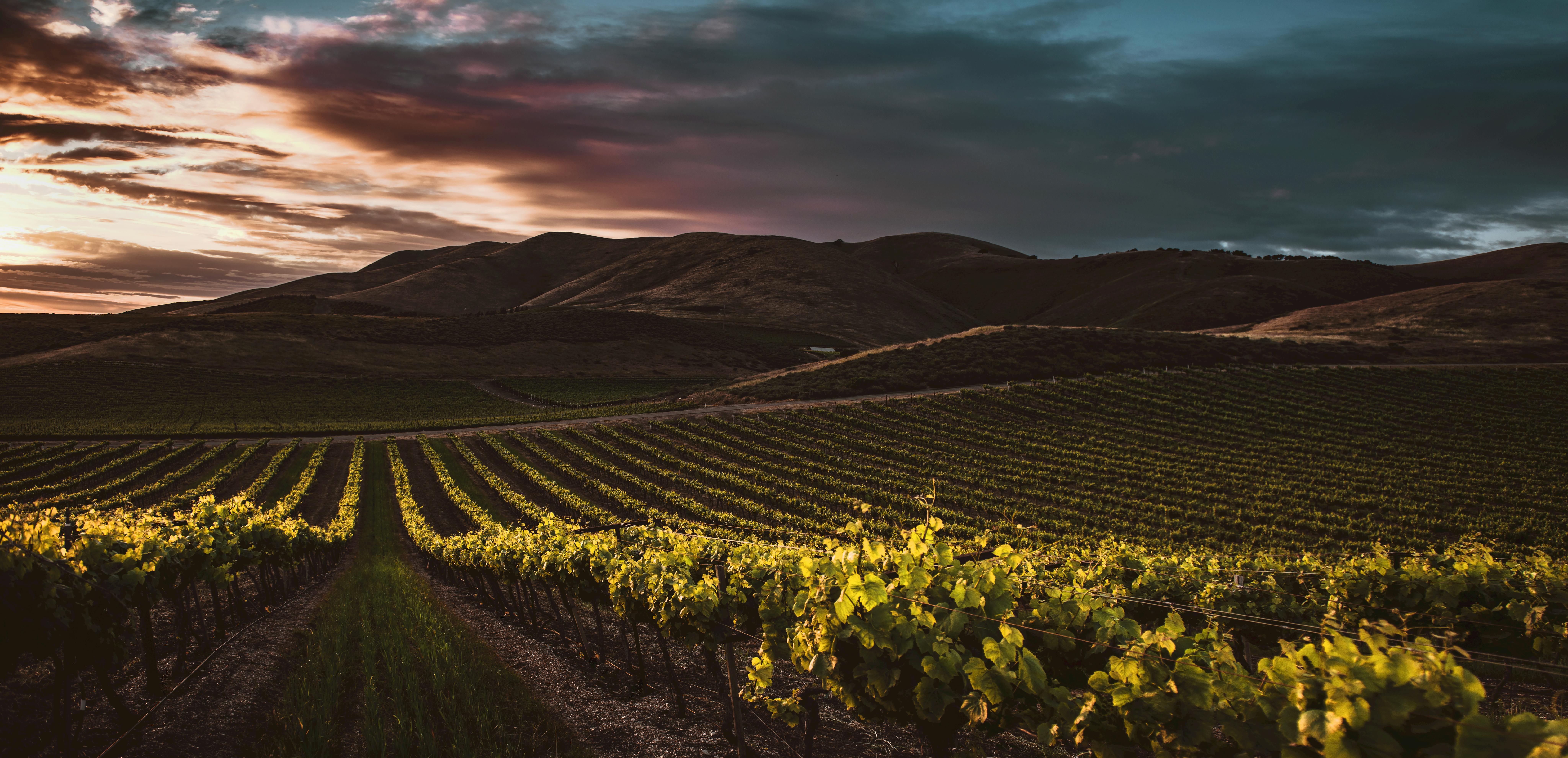
Ridge Vineyards is the winery that decided not to follow California. Its Monte Bello vineyard has been making Cabernet from the same plantings since 1959, vinified in much the same way for most of that span — and the consistency is now what marks the estate apart from the rest of the state.
Paul Draper joined as winemaker in 1969 and led the cellar for the next several decades. His method was deliberately unfashionable for California: native-yeast fermentation, extended skin contact, ageing in air-dried American oak, and a full ingredient list printed on the back label long before anyone else in fine wine considered it. Draper called the approach pre-industrial. Critics called it stubborn. Both were right.
Two blind tastings shape how the wider world reads Ridge. Monte Bello held its own against the Bordeaux first growths in the 1976 Judgment of Paris that put Napa on the map; at the anniversary re-tasting in 2006, the same flight gave the Californian wine top place. That result was less about a single great vintage than about what a wine built for ageing actually does when you leave it alone.
Succession came in 2016, when Draper handed the cellar to John Olney, who had already worked at the estate for decades. Nothing visible changed. Monte Bello is still Cabernet-led, the field blends still print every variety on the front label, and the ingredient list survives.
Buyers reaching for Ridge for the first time usually pick Monte Bello and find a Cabernet that ages closer to claret than to anything else from the state. Cheaper field-blend bottles pull the same trick with old-vine Zinfandel and a label that prints every variety on the front, and read as the wine the estate would have made if the French model had never been the reference at all.