Rosé is the most misunderstood wine on the shelf, and the misunderstanding is right there in the colour. Most people assume pink wine is red wine cut with white. It almost never is — and across most of the wine world, making it that way is against the law.
The pink comes from time, not mixing. Only the skins of black grapes hold colour; the juice inside runs clear. Winemakers crush red grapes, let the juice rest on those skins for anywhere from two to twenty hours, then draw it off before it turns into red wine. Press the grapes the moment they arrive and you get the palest wine of all; bleed juice off a tank headed for red and you get something deeper. A short rest gives the barely-there blush of Provence; a longer soak gives a riper, darker pink. The shade in your glass is essentially a clock.
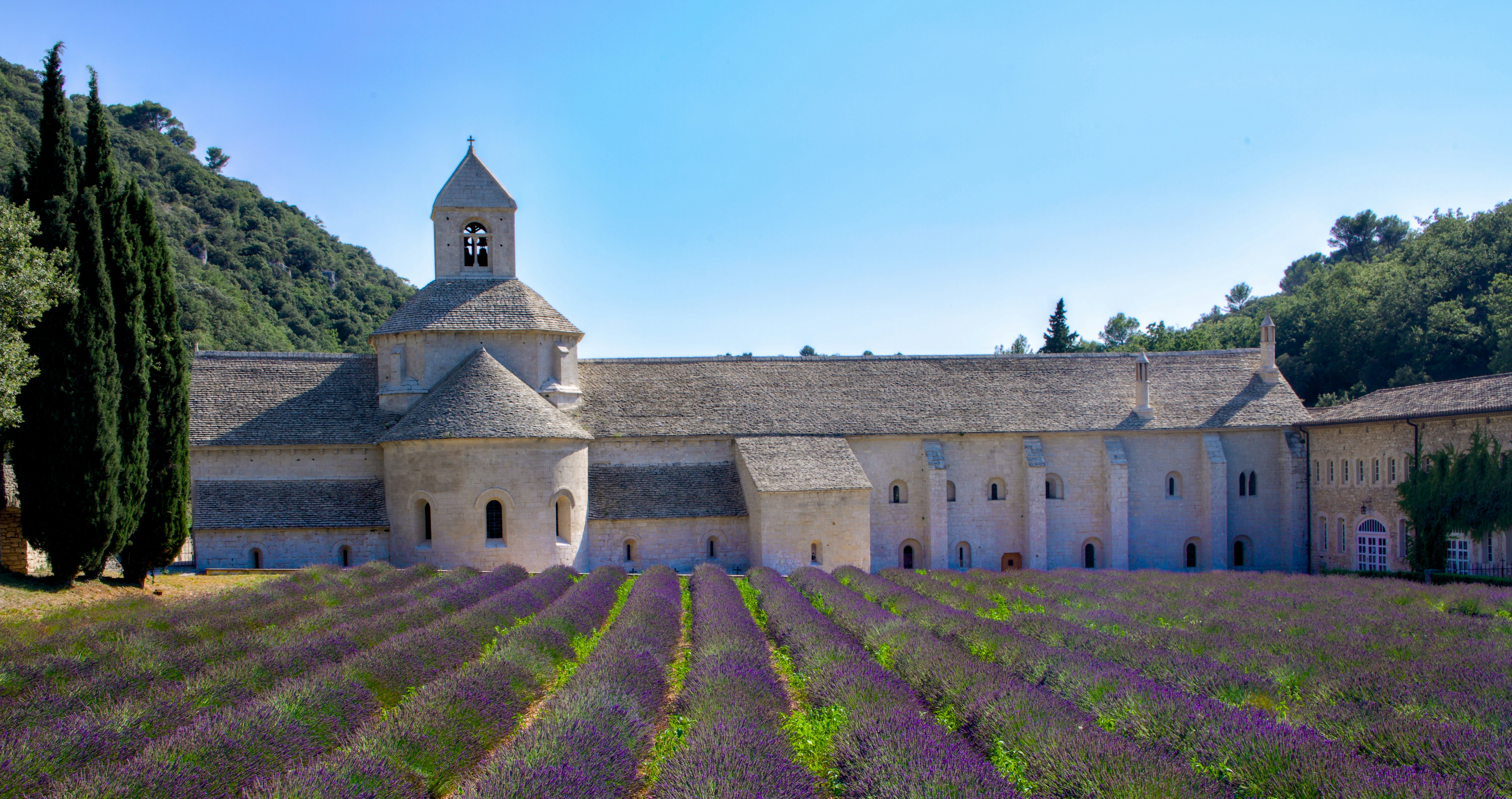
Provence
That is also why blending is beside the point — and, for still wine, against the rules. After a 2009 fight over the question, the European Union kept its ban on mixing red and white to make rosé, with traditional producers lobbying hard to protect the method. The one exception is Champagne, where adding a little red wine to white is the standard way to turn it pink.
Rosé is no niche, either. Femente tracks more than 86,000 pink wines, with Provence the single most prolific source — a region that built a global style on the palest end of that colour clock. So read the hue as information: it tells you roughly how long the juice and skins were in contact, not whether someone stirred two wines together in a vat.