Reading a varietal name on a wine label is a habit most drinkers share, and almost everyone is wrong about what it means. Wine labelled 'Cabernet Sauvignon' rarely contains only Cabernet Sauvignon. Varietal labelling is a regulated minimum percentage, not a recipe, and the minimums differ enough across the wine world that the same word on the shelf means three different things in three different places.
In the United States, the federal rule is 75 percent. Wine bottled and sold under a single-variety label must be made of at least three-quarters of the named grape, leaving up to a quarter of the wine to come from anything the winemaker thinks improves it. Producers usually use the headroom for a small amount of a complementary variety — Merlot for softness, Petit Verdot for structure, Syrah for colour — rather than for filling. Result: a wine that tastes recognisably of the dominant grape but reads richer and more balanced than the grape alone would deliver.
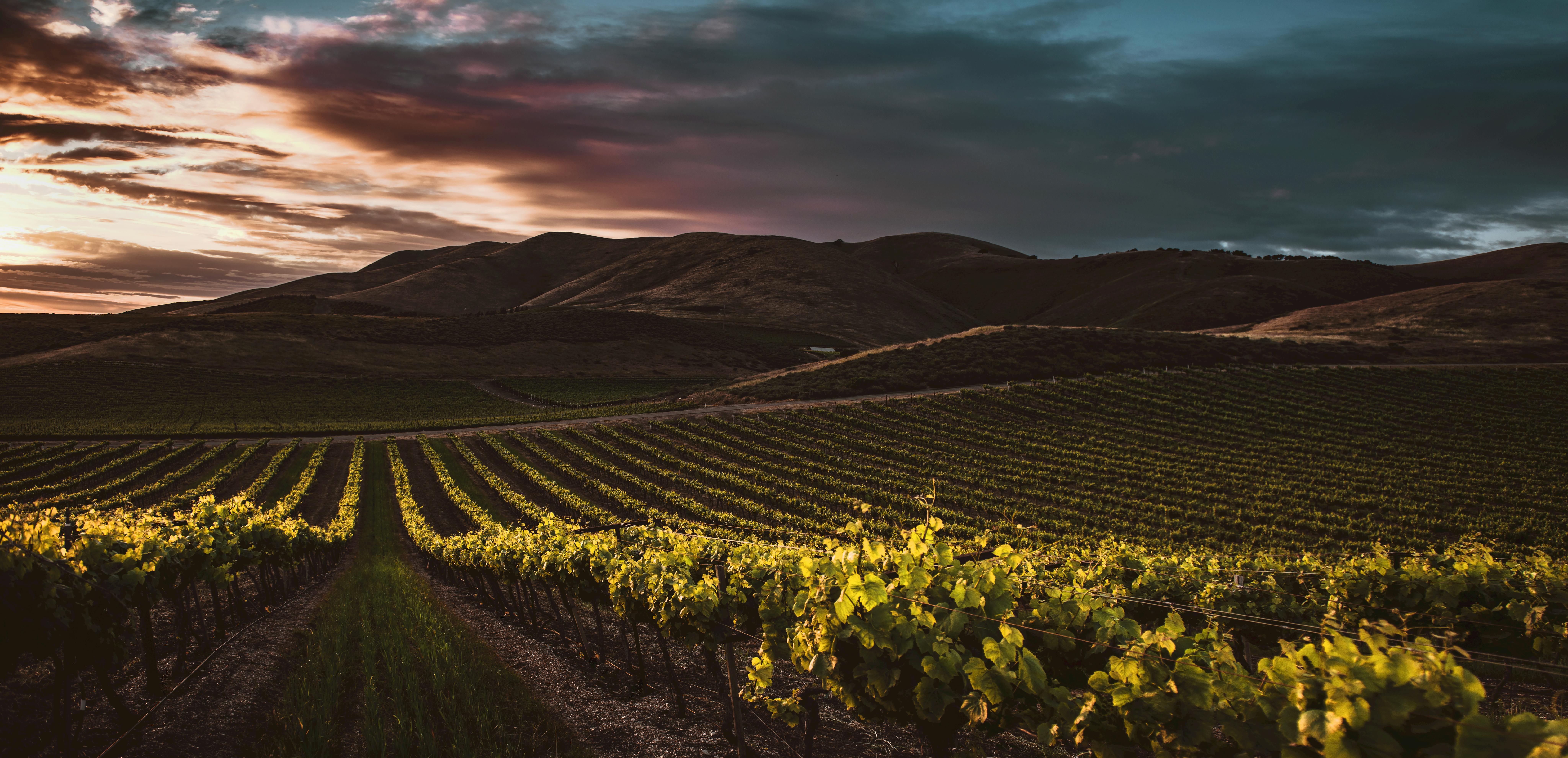
California
Europe sets the floor higher. EU rules require 85 percent of the named variety on PDO and PGI wines, and the same threshold runs through Australia, New Zealand and most of the southern hemisphere export trade. Oregon, alone among American states, also writes its own rule at 90 percent — a deliberate signal that Pinot Noir from the Willamette Valley should taste like Pinot Noir to the bottom of the glass. None of these floors is high enough to mean 'pure'; all of them are high enough to mean 'dominant'.
What this means for the reader is simpler than the regulation suggests. Confidence on a varietal label is confidence about character, not contents. California Pinot Noir tastes like Pinot Noir because the legal majority is Pinot Noir and the producer chose what to round it out with. Read the label as the headline of an argument the winemaker is making — about how this grape, on this site, in this vintage, should taste — and the rest of the bottle's design starts to make sense.