'Old vine' on a wine label sounds like a fact. In most of the world it isn't. Two regions, on two continents, have official charters for the term. Everywhere else, the vines could be twelve years old and the bottle would still be legal.
Older vines do make different wine, when they're real. Roots reach deeper for water and minerals, yields drop, and the fruit concentrates. By around fifty years a vine produces less but more flavourful fruit; by a century it's a survivor, since most plantings are pulled by then. Those characteristics are what give 'Vieilles Vignes,' 'Alte Reben,' 'Cepas Viejas' and their many translations their pull on the shelf.
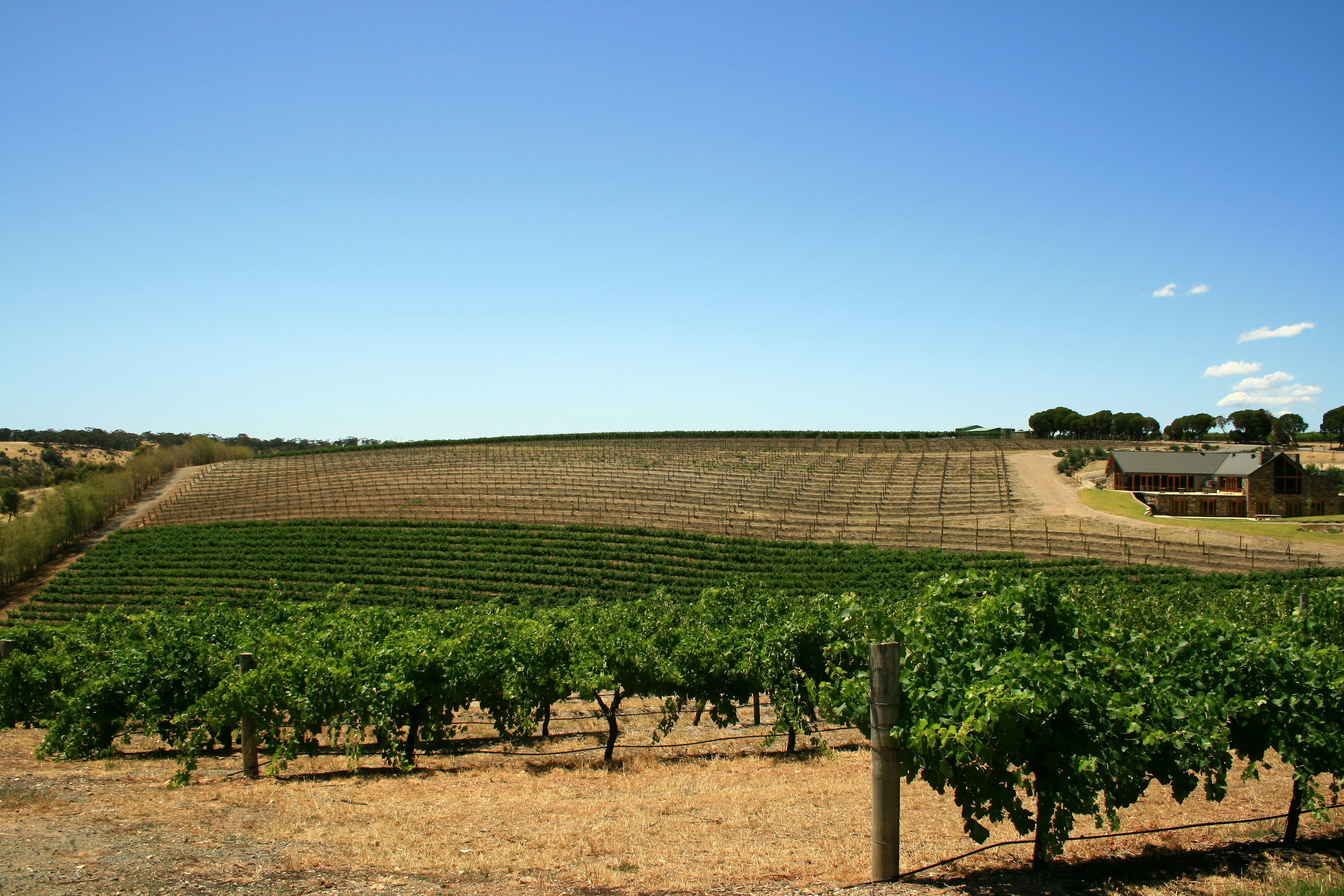
Barossa, in South Australia, runs the world's most detailed scheme. Its Old Vine Charter recognises vines older than thirty-five years as Old Vine and runs upward through Survivor, Centenarian and Ancestor tiers — the highest reserved for vineyards past four generations, monitored by the regional wine association. South Africa's Old Vine Project takes a simpler view: the same age threshold, applied through certification on the bottle. Plantings in Swartland and Stellenbosch carry the seal.
Barossa Valley
Nowhere else does it work this way. France's 'Vieilles Vignes' has no AOC-level rule attached. Spain's 'Cepas Viejas' similarly hangs on producer good faith. Italy will sometimes say 'Vigne Vecchie.' None of these are audited. Producers can write the words on any wine they choose. Industry professionals usually consider fifty years a defensible threshold, but a defensible private threshold and a regulated public claim aren't the same thing.
Treat 'old vine' without a regional charter behind it the way you'd treat 'estate-grown' without an estate name: as a vibe, not a verification. Wines from genuinely old vineyards are often spectacular. What sells them on the shelf is mostly trust.