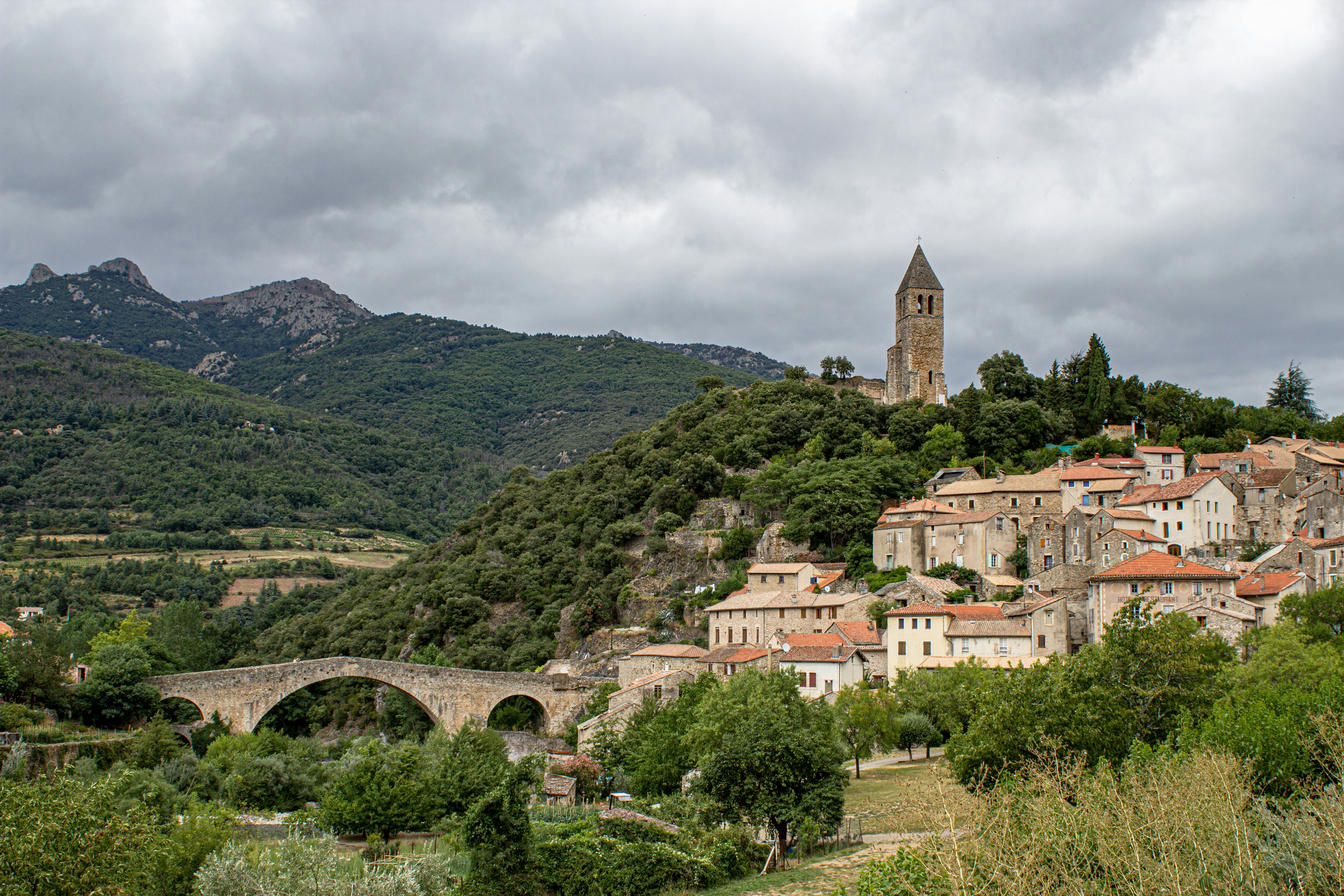
For most of two generations Carignan was the most planted grape in France, and almost nobody was proud of it. It was the workhorse of the Midi, a name that came to stand for cheap, thin, forgettable red.
The grape itself is Spanish, from Cariñena in Aragón, and it spread across the Languedoc after phylloxera because it grafted easily and cropped enormously. Subsidies paid growers by volume, so rivers of pale, acidic Carignan were made not to drink but to send straight to the distillery.
The correction was brutal. Vine-pull schemes through the 1980s tore out so much of it that France's plantings were roughly halved within a couple of decades, and Carignan became shorthand for everything wrong with bulk southern wine.
What survived tended to be the oldest, most gnarled bush vines on poor hillside soil that throttles a crop naturally. Low yields and old wood give concentration, dark fruit, bright acidity and the wild-herb lift the French call garrigue. The same variety that flooded the distilleries now stands behind cult Languedoc bottlings and a wave of fresher, carbonic reds, more than eleven thousand of which Femente already tracks.
Carignan is the clearest lesson in wine that a grape's reputation is really a verdict on how it was farmed. Pull out the easy vineyards, keep the punishing ones, and the mistake turns into a signature.
Languedoc-Roussillon