Garnacha spent decades typecast as a workhorse — the grape behind cheap, high-alcohol reds, blended for warmth rather than detail. Comando G built its whole project on the opposite claim: that old Garnacha vines, grown high on granite, make one of Spain's most delicate and site-specific reds.
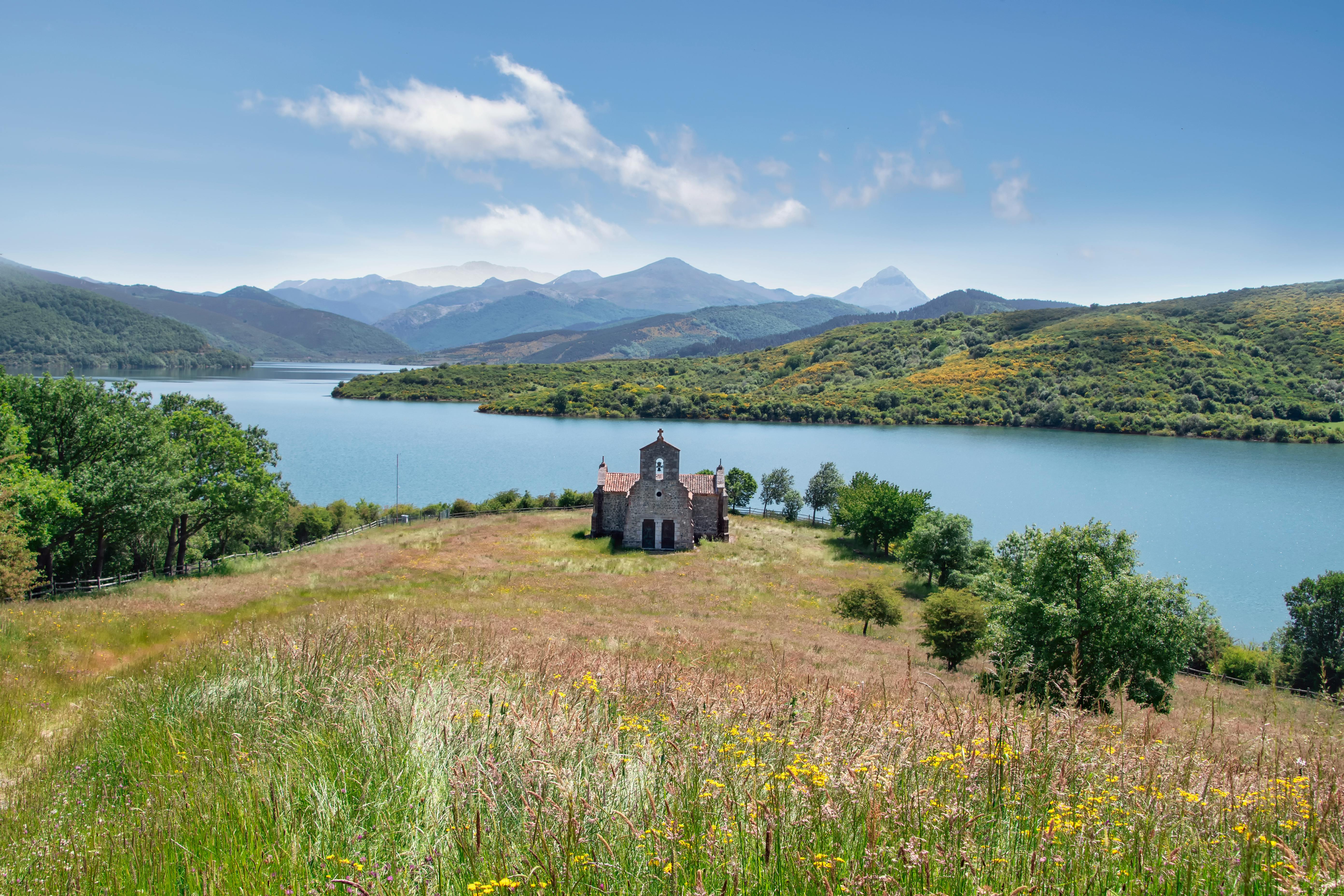
Dani Landi and Fernando García founded the estate in 2008 and went looking for abandoned old-vine parcels in the Sierra de Gredos, the granite range west of Madrid. The name is itself a thesis — Garnacha, Gredos, granite. At nine hundred metres and higher the vines ripen slowly, and the wines come out pale and high in acid, light on their feet rather than broad and warm — closer to Pinot Noir than to the southern Garnacha most drinkers expect.
What makes the wines legible is the hierarchy. Comando G keeps a tight range — Femente lists sixteen wines, nearly all Garnacha — and labels them on the French village-and-cru model, so the differences between plots show up on the bottle. La Bruja de Rozas reads as the village wine, while the old-vine Rumbo al Norte sits at the top, rated above 96 by professional critics.
Comando G
The pale color still fools people; it suggests something thin, and the wine is anything but. For a drinker, Comando G is the easiest way to unlearn a prejudice — that Garnacha means weight. Taste a Gredos bottle beside a southern one and the grape stops being a style and becomes a place.