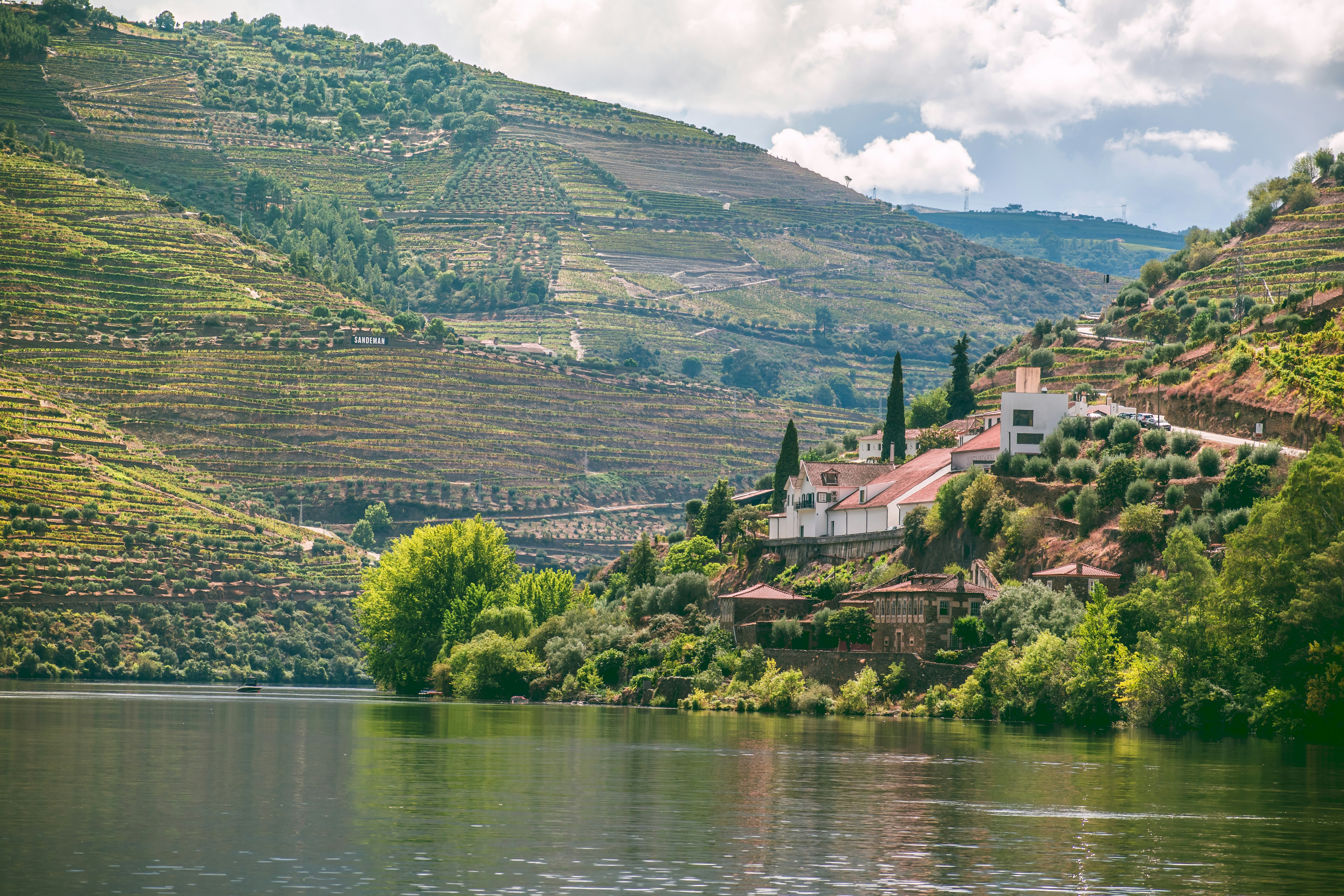
Walk a Douro vineyard today and the vines are the same ones that have gone into Port for two centuries — Touriga Nacional and Touriga Franca on schist terraces above the river. What has changed is what the producer decides to do with the fruit at harvest. The valley now makes more dry table wine than fortified, and the shift was led by the very houses that built their names on Port.
That shift has a starting date. In 1952, Casa Ferreirinha's winemaker bottled the first Barca Velha — a dry red from Douro fruit, modelled on Bordeaux, with ice trucked overnight to keep fermentation cool. For the next four decades almost no one followed him. Port lodges held the bottling monopoly, quintas grew grapes and sold them on, and dry red was a local oddity rather than a commercial category.
The category opened in 1986, when Portugal joined the EEC and the lodge monopoly collapsed. Niepoort, by then a respected Port producer, used the new freedom to build Redoma — a dry red made from the same Port grapes but assembled with a winemaker's argument behind it. Within a generation a handful of producers had joined the project, and the case being made was no longer that Douro could make dry table wine; it was that Douro could make dry wine worth ageing.
Niepoort
The catalogue confirms what the wineries do not need to advertise. Dry reds from the Douro now outnumber the fortified bottlings roughly four to one on Femente. Top scores cluster on bottles like Quinta do Crasto's Vinha Maria Teresa — wines rated alongside first-growth Bordeaux, made from fruit a Port house would once have shipped to a cellar tonel. Recent vintages show the range that came with the table-wine ambition: 2019 came in cool and structured, 2017 hot and concentrated, and the two read like different regions in the glass.
For a buyer the practical consequence is simple. A Douro red on the shelf is no longer the consolation prize next to the Port. The same hillside fruit makes both bottles, but the dry one is now what producers like Niepoort and Quinta do Vale Meão build their reputations around. Port still ages in the lodge across the river; the dry red goes on the dinner table tonight.
Douro