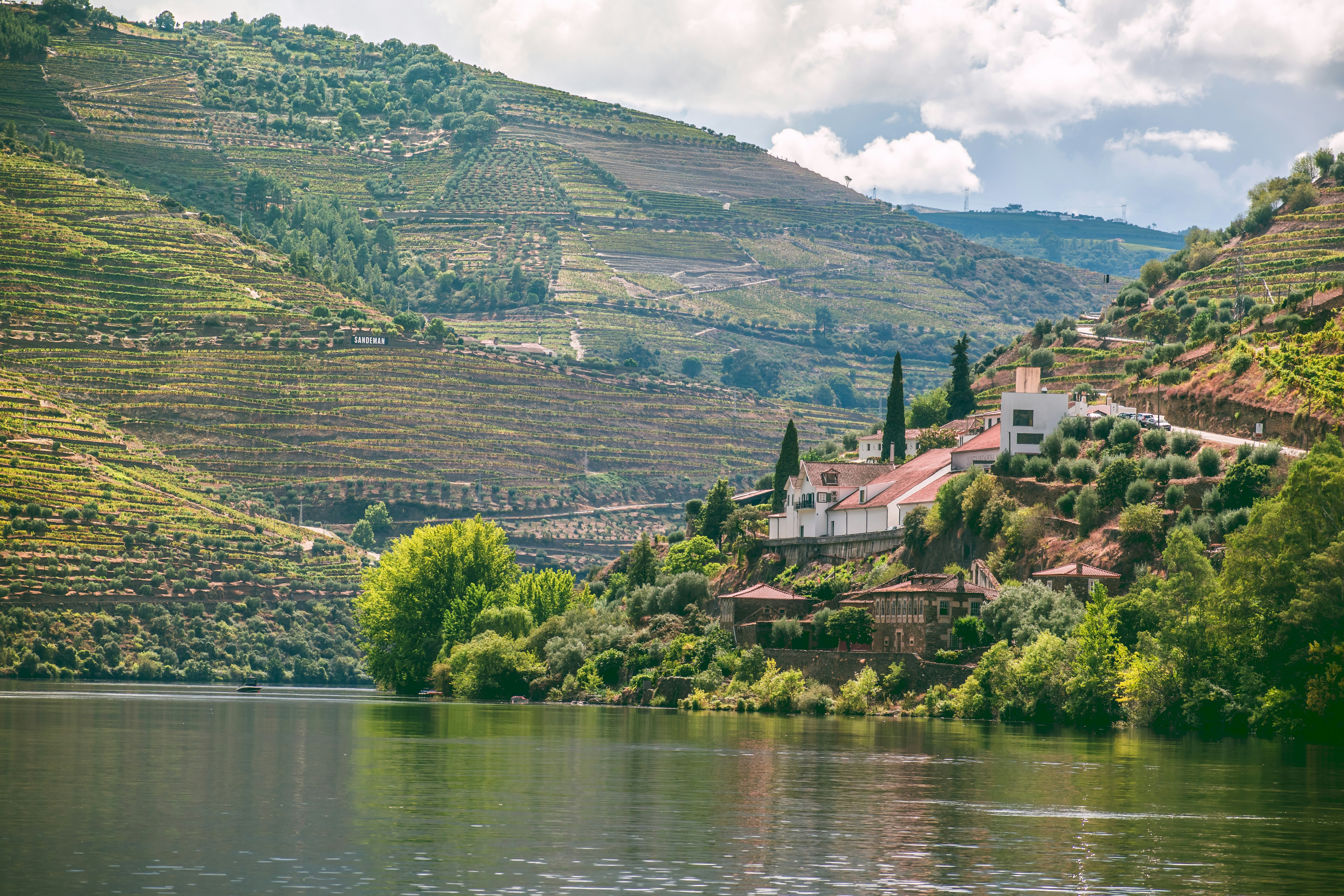
For nearly a century and a half, Niepoort meant Port. The family had shipped fortified wine from the Douro since 1842 — five generations of it — until the sixth, Dirk van der Niepoort, joined in 1987 and within a few years made an unfortified red his own father called unsaleable. Robustus 1990 is where the modern story begins.
Dirk's bet was that the same old-vine field blends that built great Port could build great dry red, if you picked earlier and pressed gently. Robustus was the proof of concept; Charme and Batuta later became the polished arguments — saignée elegance and structured cuvée. Major critics now score them in the high nineties. The argument is settled.
Douro
What Dirk did alone, the Douro then did with company. By the early 2000s an informal alliance of producers — branded the 'Douro Boys' — was pulling international press into the region as table-wine territory rather than a Port colony. Within a generation the conversation about the Douro stopped starting with 'Port' and started ending with it.
Femente's catalog tells the same story. It lists Niepoort with roughly three times more table wine — red and white — than fortified. White Douro, almost unheard of a generation ago, is now a serious style; the Coche Branco bottling is a benchmark.
Buy a Batuta and what you're tasting is a Port house that learned to read the Douro as a fine-wine region. The reason it got there first wasn't talent so much as a choice: stay a Port shipper, or build something larger on the same vineyards. Niepoort chose larger. The Douro followed.