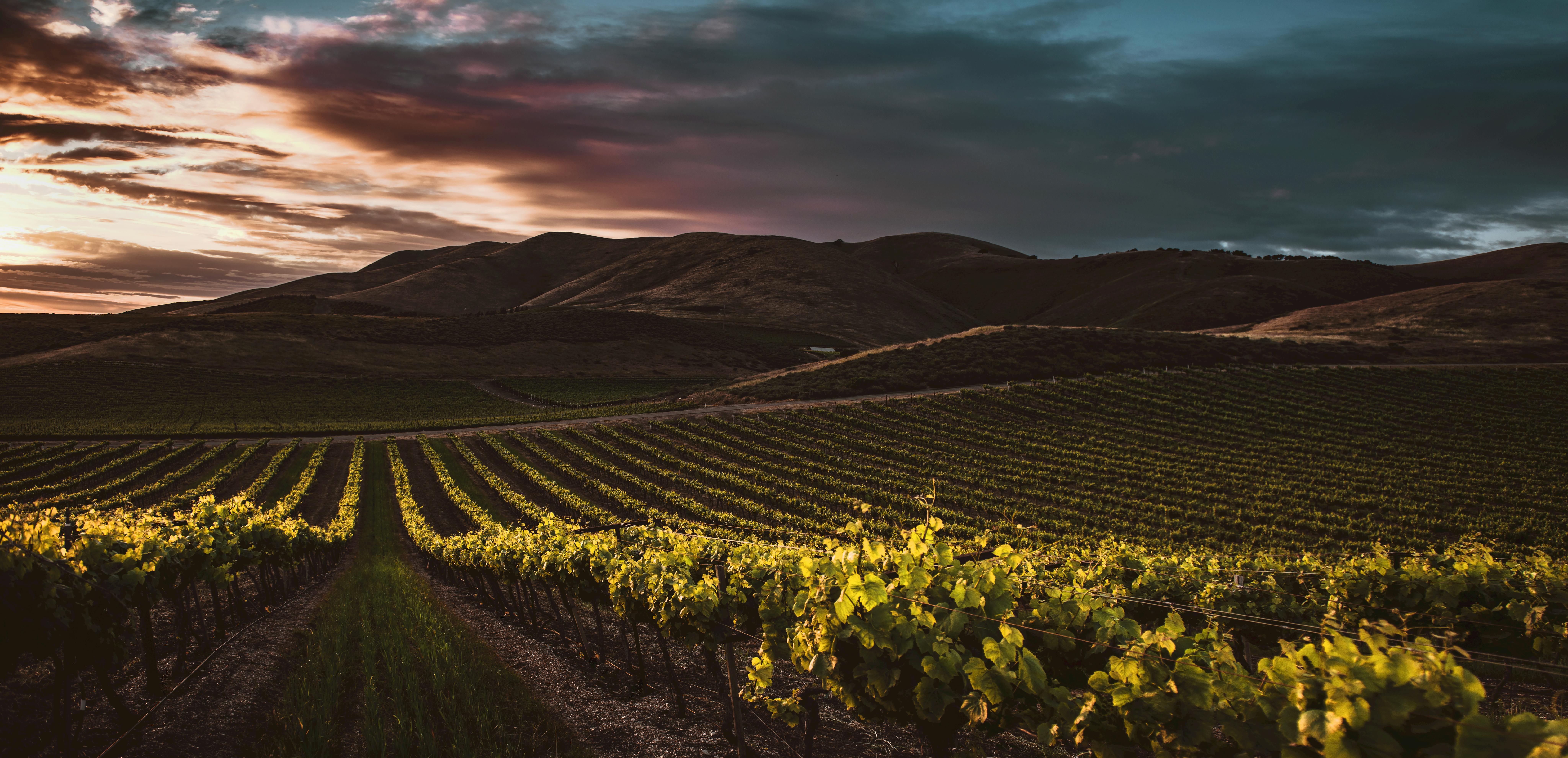
Grafton is an Illinois winery in the historic Mississippi River town of Grafton, IL, about 40 miles north of St. Louis at the confluence of the Mississippi and the Illinois rivers. Our index has 18 of the producer's wines on file, with grape-variety data populated for six different Vitis vinifera varieties. We have no prestige-critic ratings on this producer. Here's what we have, in the honest accounting.
What we have
Eighteen wines, three types: six red, six sweet wine, five white, plus a small set of dessert and rosé bottlings. The sweet-wine count being equal to the red-wine count is a tell. Grafton operates as a regional tourism-and-retail producer where sweet wines (often fruit-blend sweet wines or off-dry varietals) form a substantial part of the lineup, in the broader Midwestern American wine tradition.
The grape-variety data we have on file: Zinfandel (most-listed), Pinot Noir, Pinot Gris, Chardonnay, Cabernet Sauvignon, Merlot. This is a vinifera-grape-led portfolio, which means the producer is sourcing or growing classic California-style grapes rather than the cold-hardy hybrids (Marquette, Frontenac, Norton) that dominate much of cold-climate Midwestern production. Whether the wines are 100% Illinois-grown or include sourced fruit from outside the state is information our index doesn't currently carry; many Midwestern producers operate with a mix of estate fruit and out-of-state grape sourcing.
What we don't have
Zero prestige-critic ratings. The Femente FEM score for Grafton is 78, and that score is built on just two Vivino consumer ratings, which is a very thin sample by any standard. The 78 should be read as preliminary at best. None of the five major prestige critics (Wine Advocate, Decanter, Wine Spectator, Wine Enthusiast, Falstaff) have rated any Grafton wine in a sample we've ingested.
This is consistent with the Illinois wine industry broadly. Illinois has a small but real wine sector (over 100 commercial wineries), but the state has very limited international prestige-critic attention. Most Illinois wines are distributed locally, sold from the tasting room, and reviewed (if at all) in regional wine media rather than national or international press.
What the producer is positioned for
Grafton's location, on the Mississippi River in a town that draws significant Illinois weekend tourism, suggests the producer is built for a tasting-room and retail-experience model. That's a different commercial position from the prestige-critic-driven model that our FEM score is designed to measure. A successful tasting-room producer can be a serious operation regardless of whether they enter the international wine press, but they will, almost by definition, have less indexed critic data than producers oriented toward national distribution.
What this profile can't do
Without prestige-critic ratings, we can't recommend specific Grafton bottles in the data-grounded way we do for producers with deeper rating samples. The grape-variety list lets us tell you what's in the lineup; it doesn't tell us which bottles the prestige critics would single out, because the prestige critics haven't visited.
For an external opinion on Grafton specifically, regional Illinois wine media (the Illinois Times, the Illinois Grape Growers Association, local food-and-drink writers in St. Louis and Springfield) will give you better signal than the international prestige index that the Femente score is built on.
What we'd update if data arrives
If prestige-critic ratings on Grafton wines enter our index, this profile will be updated with the same data-grounded shape we use for producers further along on the rating curve. The producer is on file. The rating sample to base a real critic profile on is not there yet.