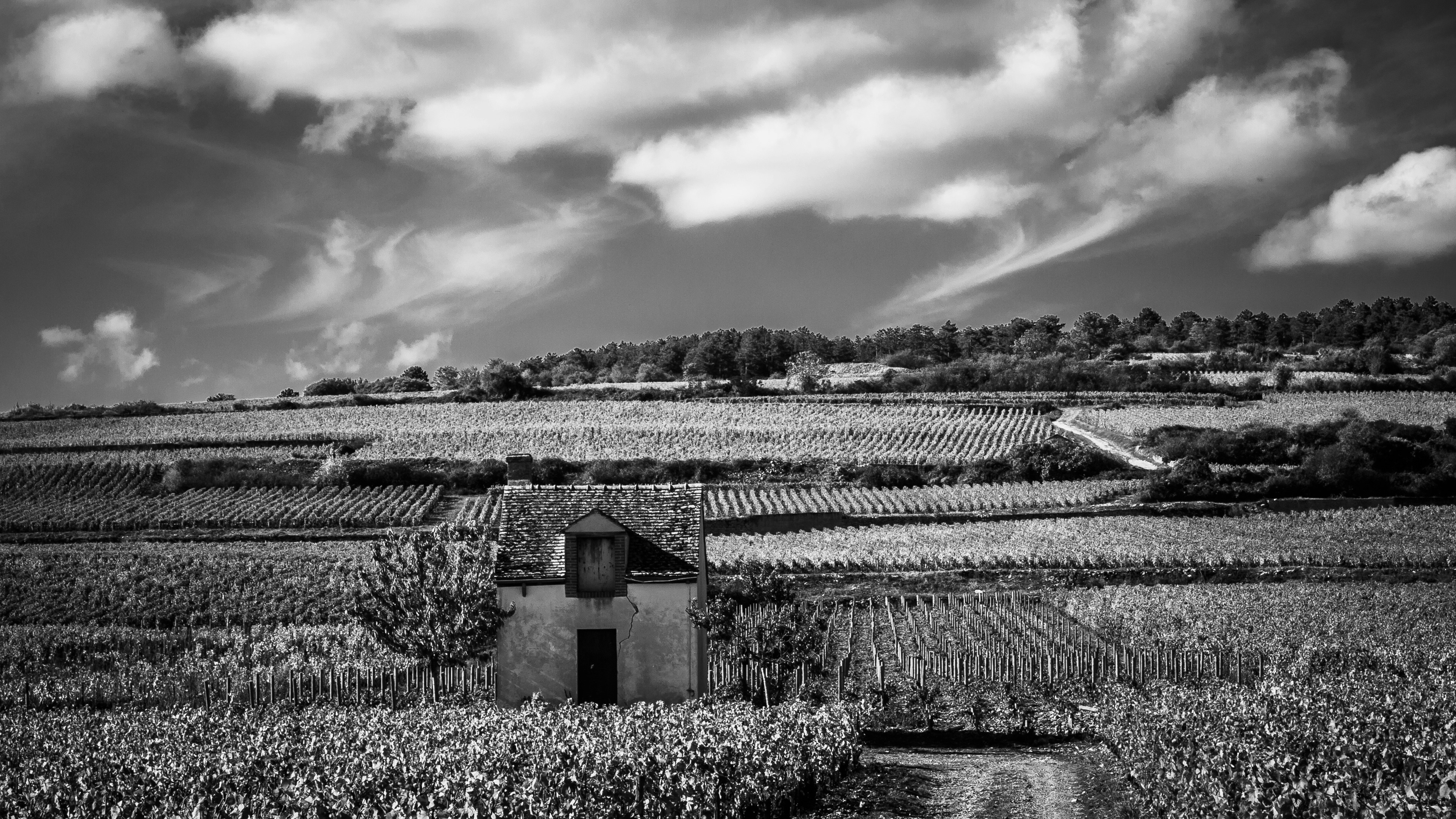
Maison Joseph Drouhin began converting its vineyards to organic farming in 1990, when the term was still associated with fringe agriculture rather than fine wine. The decision was not driven by marketing — it came from Philippe Drouhin's observation that the Côte d'Or's oldest sites were producing flatter wines than they should, and that decades of chemical inputs had compacted the soils and silenced the microbial life that gives Burgundy's terroir its voice. Founded in Beaune in 1880 and now spanning 100 hectares across the Côte d'Or, Drouhin is large enough that this commitment carried real cost.
The conversion took nearly two decades to complete. Rows were planted with grass cover, vines were plowed by horse to avoid compacting the soil, natural compost and herb infusions replaced synthetic fertilisers, and natural predators were introduced to handle disease pressure. By the time the 2009 vintage received ECOCERT organic certification — the first full year on record — the house had been farming this way long enough that the younger winemakers had never known another approach. The family's working principle, 'bring natural answers to natural problems', sounds simple but implies a refusal to use corrective chemistry that most large négociants would not accept.
What this discipline yields at the top of the portfolio is striking. Drouhin's Musigny Grand Cru earned 100 points from Wine Spectator in 2010 and 99 from Wine Advocate across multiple vintages, while the Montrachet Grand Cru Marquis de Laguiche — a long partnership with the Marquis's estate — consistently draws 98-point assessments from Vinous. These are not accidental results. They reflect vineyards that have been farmed without compromise for more than thirty years, on soils that have had time to recover their biological complexity.
Drouhin's conviction about terroir extended beyond Burgundy. Robert Drouhin chose the Dundee Hills in Oregon's Willamette Valley in the late 1980s as the site most likely to produce Pinot Noir with Burgundian structure, and Domaine Drouhin Oregon has operated under the same organic framework since its founding. That cross-continental bet is now producing wines taken seriously on both sides of the Atlantic — which is not a coincidence, it is the same argument made in a different climate.
Joseph Drouhin