Malolactic fermentation is not a flavour decision — it is a texture decision that happens to produce flavour as a side effect. The process converts malic acid (the sharp, apple-like acid found naturally in grapes) into lactic acid (the softer acid found in milk and yogurt), reducing the wine's total acidity by between 1 and 4 grams per litre and raising its pH measurably. That shift in chemistry produces a rounder, fuller mouthfeel before it produces any detectable aroma change. Winemakers who run it are choosing softness; winemakers who block it are choosing edge.
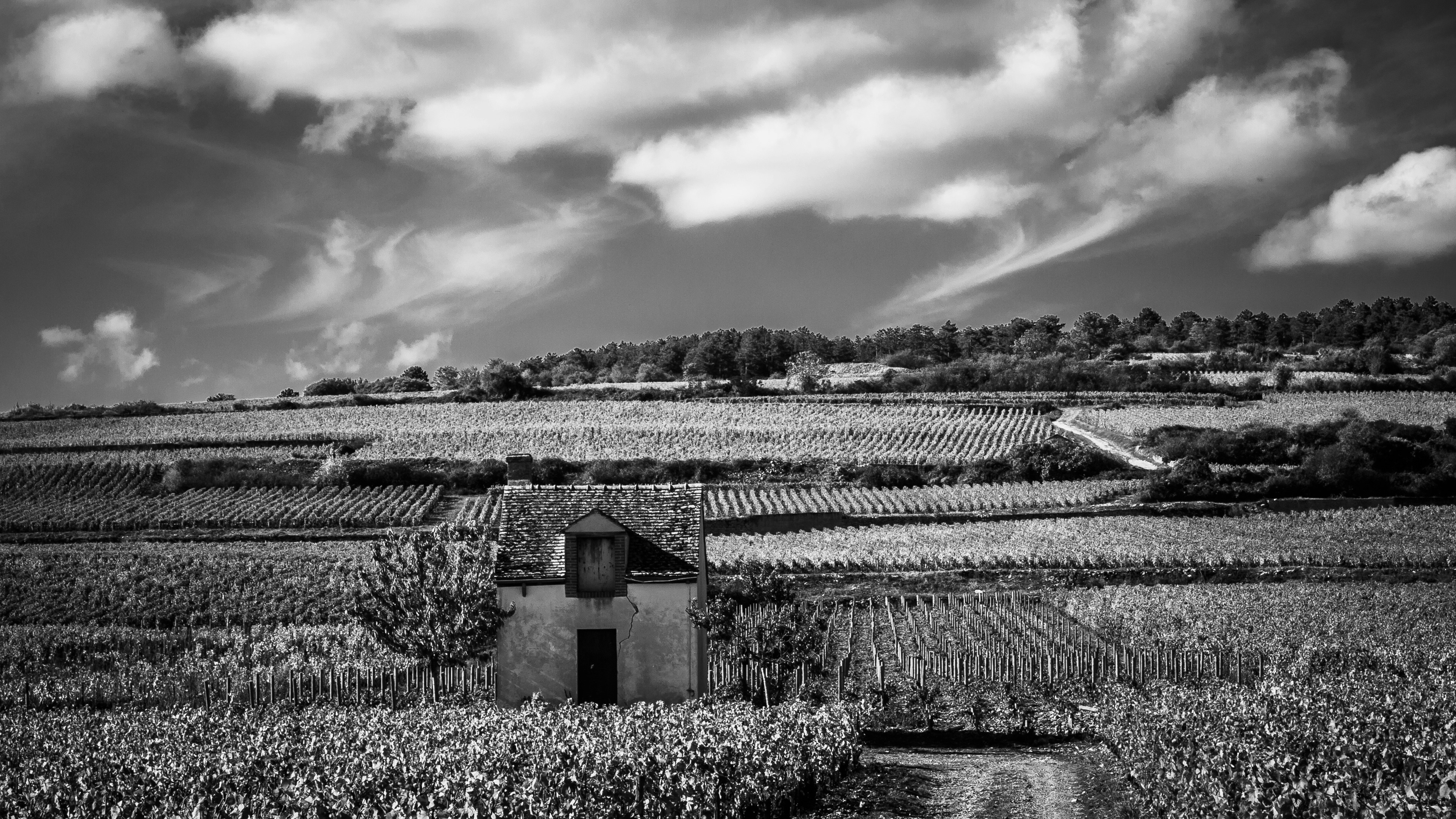
Chardonnay is where this decision is most visible. Chablis, in northern Burgundy, tends toward partial or blocked malolactic fermentation — winemakers there want to preserve the malic acid tension that makes the wine feel piercing and mineral. Côte de Beaune whites, from the same grape and the same country, typically undergo full malolactic conversion, producing the round, textured, generous wines that define white Burgundy at its richest. Same vine, same country, opposite results. The difference is a cellar decision made in the months after harvest, not a vineyard difference.
The flavour byproduct of malolactic fermentation is diacetyl — the compound that gives butter its characteristic taste. In small amounts it reads as cream, toast, or hazelnut and adds complexity. In larger amounts, particularly in warmer-climate Chardonnay where the conversion runs aggressively, it produces the overtly buttery character that became fashionable in California in the 1990s and subsequently fell out of favour. The backlash drove a wave of winemakers back toward stainless steel and blocked malolactic, producing leaner, more mineral styles. Both ends of the dial are deliberate.
Riesling is the clearest illustration that malolactic fermentation is a tool, not a universal step. Producers across Alsace, the Mosel, and the Rhine almost universally block it, and deliberately so — malic acid is what gives Riesling its electric, high-wire acidity and its ability to age for decades without flattening. Chardonnay and Riesling are both white grapes from cool European regions, yet they taste radically different on the palate partly because one routinely undergoes a conversion the other routinely avoids. The decision happens in the cellar, months before the wine reaches anyone's glass.
Bourgogne