Lambrusco earned its bad name in a single decade, and it was the wrong decade. The sweet, soft, low-alcohol version that shipped to America by the tanker in the 1970s and 80s fixed the wine in millions of minds as a fizzy soft drink. The dark grapes it was pressed from never agreed to that job.
In Emilia-Romagna, Lambrusco is a family of black-skinned varieties, vinified dry and sparkling. It runs between two poles. Lambrusco di Sorbara is pale, almost rosé, sharply acidic and floral; Lambrusco Grasparossa di Castelvetro is darker, fuller and faintly tannic. These are small, named places rather than a brand, and Femente lists only seventeen producers working Sorbara against twenty-one in Grasparossa.
The dryness is not a fashion. This is Italy's larder, the home of Parmigiano-Reggiano, prosciutto di Parma and mortadella, and a cold, frothy, acid-cut red does to that richness what no still wine manages. Houses such as Cleto Chiarli, founded in 1860, and Cavicchioli kept the savory tradition alive through the sweet-export years, waiting for taste to come back around.
It has. Dry Lambrusco has pushed back onto serious lists, with the first Grasparossa taking Gambero Rosso's Tre Bicchieri and Sorbara now bottled by metodo classico and ancestral methods that read like grower Champagne in red. A few kilometres south in Romagna, the same region quietly makes structured, age-worthy Sangiovese around Predappio.
The lesson outlasts the bottle. A wine's reputation can be set by its cheapest export and take forty years to correct, and Lambrusco is the proof: the grape did nothing wrong, the marketing did, and the wine was waiting in the cellar the whole time.
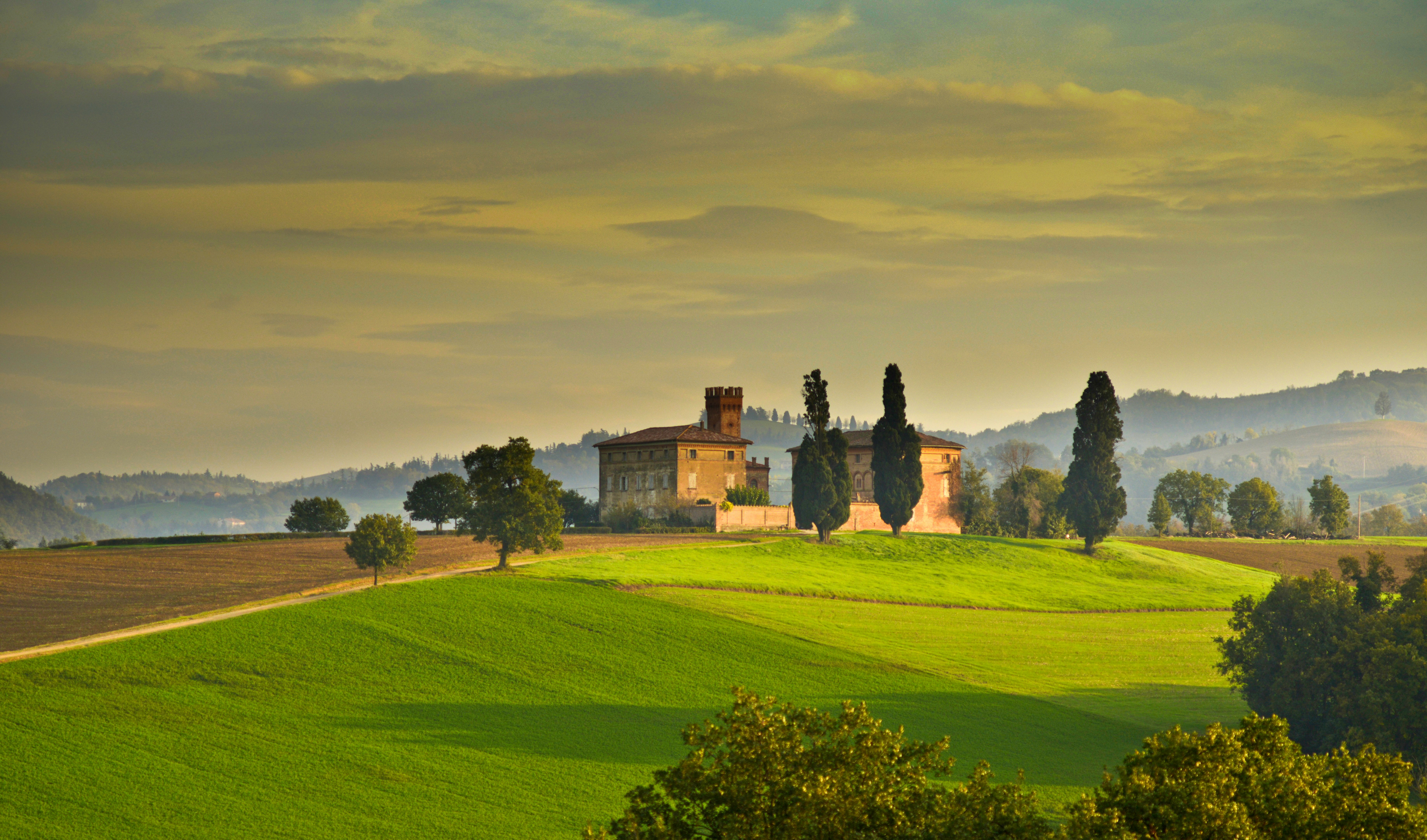
Emilia-Romagna