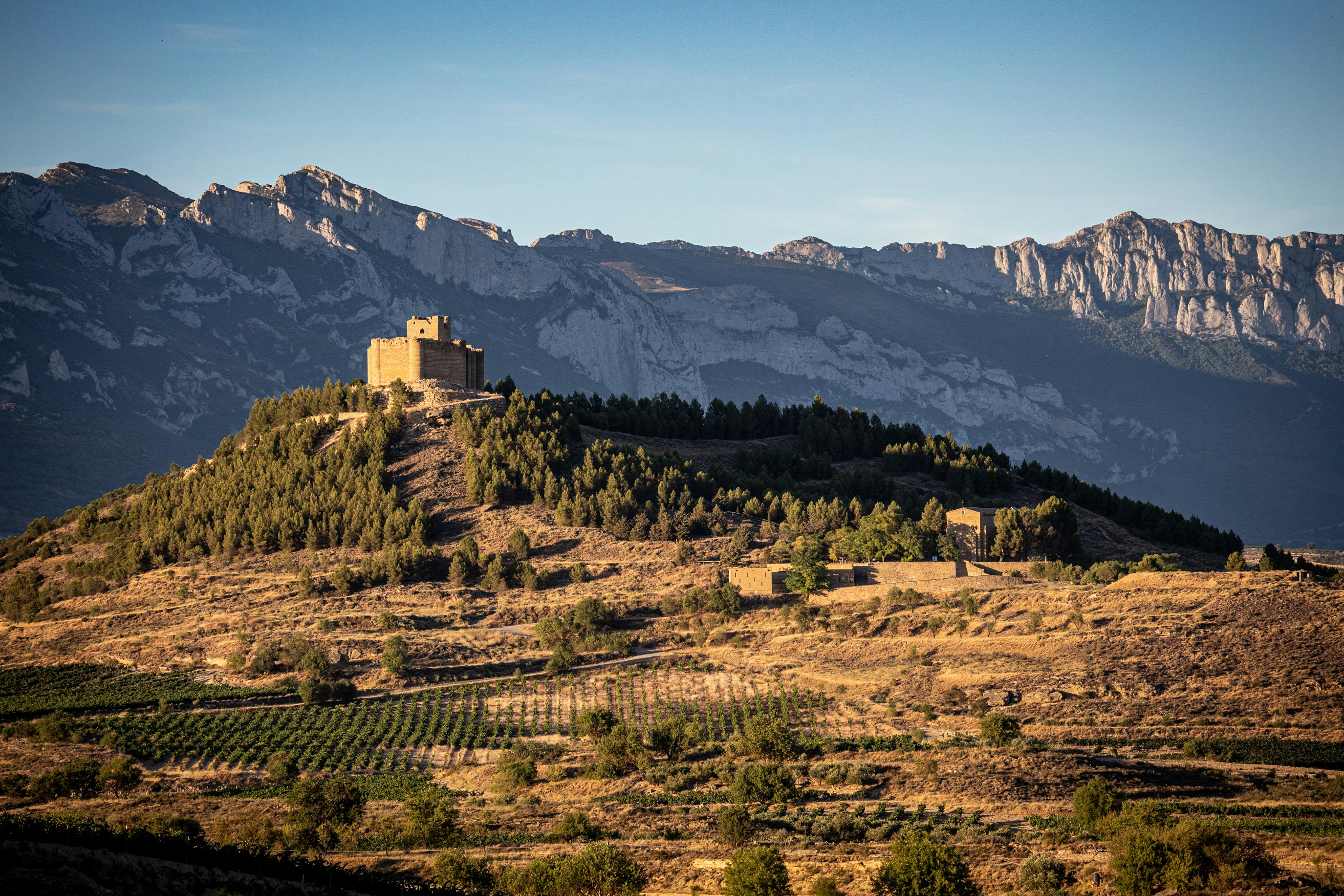
Reserva, Riserva, and Reserve look like the same word and mean almost nothing alike. Spanish wine law turns the term into a contractual promise about time in barrel and bottle. Italian law turns it into a regional opinion. French and American wineries can mostly write it on whatever they like.
In Spain, "Reserva" is a national standard regulated by the Consejo Regulador system. Reserva reds must age at least three years before release with a minimum of one year in oak; Gran Reserva pushes that to five years total. Either label is a math problem the producer has signed. Buyers who know the math know roughly what the wine has done before reaching the shelf, whether the bottle comes from Rioja or Ribera del Duero.
Italy uses the same idea with far less centralisation. "Riserva" exists, but each appellation sets its own number. Chianti Riserva needs only twenty-four months of aging; Barolo Riserva demands more than five years. Picking up a bottle labelled Riserva tells you it has been aged longer than the base wine from that specific appellation, but nothing more universal than that.
Rioja
France and the United States offer the loosest version. "Réserve" on a French label has no legal definition outside a handful of bordeaux contexts; "Reserve" on an American label is even less constrained, often signalling internal lots rather than any time-based promise. Both terms survived the regulatory wave that hit Spain and Italy and emerged on the other side as branding.
Practically, this means the Reserva/Riserva/Reserve distinction is more useful as a fingerprint than as a quality marker. Spanish bottles wearing the term should be treated as real promises. Italian ones should be read alongside the appellation: a Chianti Riserva and a Barolo Riserva are not in the same conversation. French or American labels signal how the winery thinks about its hierarchy, not what's in the bottle.