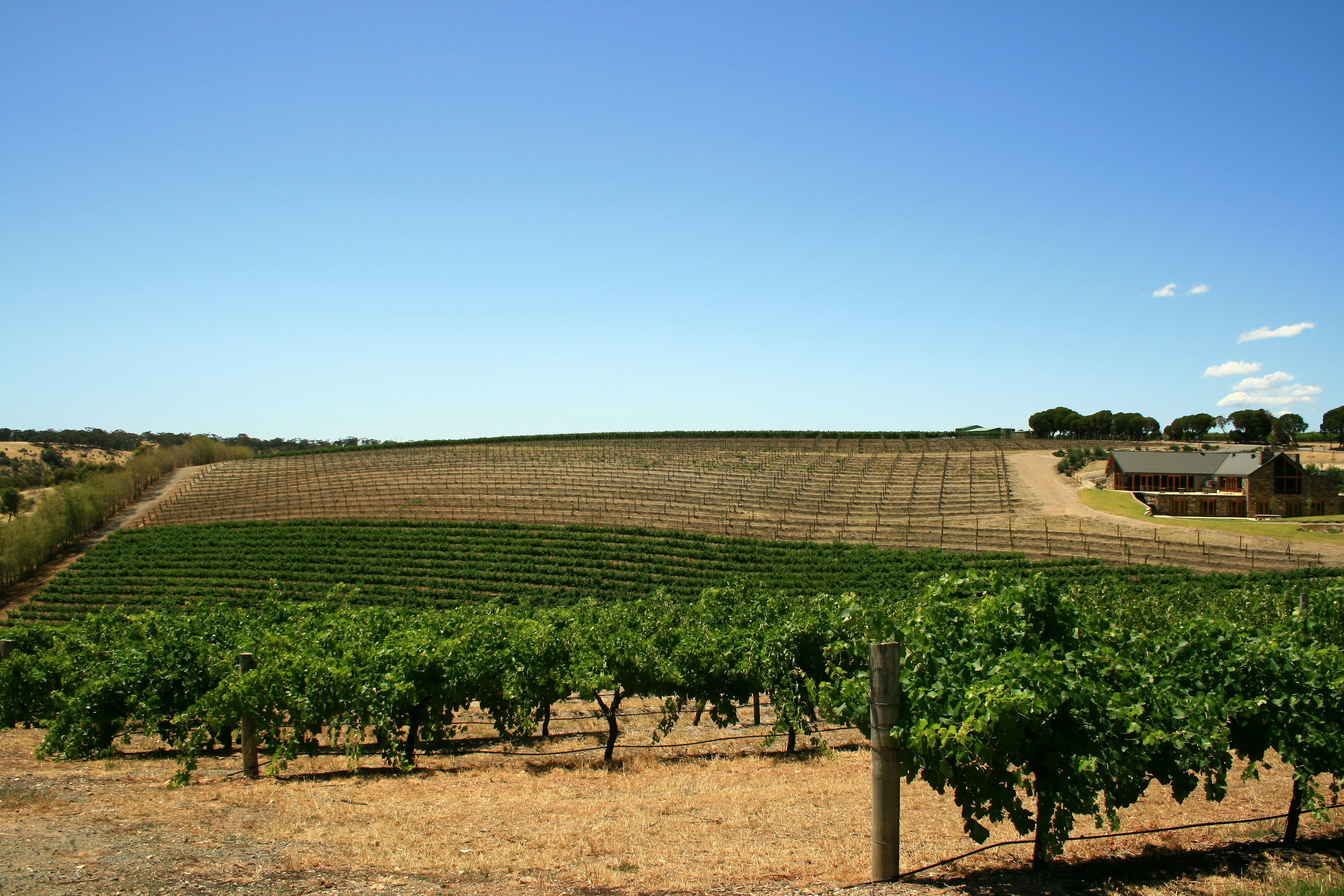
Syrah and Shiraz are the same grape. DNA analysis confirmed it in 1998, ending a debate that had simmered for decades. What did not end is the naming convention — and that convention turns out to be doing genuine editorial work. Calling a wine Syrah instead of Shiraz, or the reverse, is a producer's shorthand for a set of stylistic choices about ripeness, structure, and what the wine should taste like.
Syrah signals the cooler-climate end of the register: savory, perfumed, and structured, with smoke, pepper, and iron-inflected red fruit that echo Côte-Rôtie's benchmark expression. Shiraz signals the warmer end: richer, more concentrated, with darker fruit and the plush tannins that Barossa Valley established as its archetype. Climate drives much of the distinction, but the label does too — producers who call their wine Syrah are almost always positioning toward the restrained register, regardless of where the grapes actually grew.
James Busby brought the variety to Australia in 1832, and its spelling drifted through several generations of colonial planting before settling on Shiraz. Barossa Valley, the region most associated with the style, now accounts for close to 2,000 wines in Femente's global catalog. More importantly, the Barossa profile — concentrated, warm, and plush — became Shiraz's international reference point, which is why even non-Australian producers who want that register now reach for the same name.
Across the Syrah and Shiraz wines Femente tracks — 119,556 in total — the naming pattern holds more reliably than almost any other varietal convention. Appellation names, regional labels, grape varieties: most of them carry style implications that require background knowledge to decode. Syrah vs Shiraz is largely self-declaring.
Barossa Valley
Knowing this is actually useful at the shelf. Producers who put Syrah on the label want you to expect something leaner and more aromatic; producers who put Shiraz want you to expect something richer and more immediate. Same grape, different promise — and unlike most things on a wine label, the promise is usually kept.