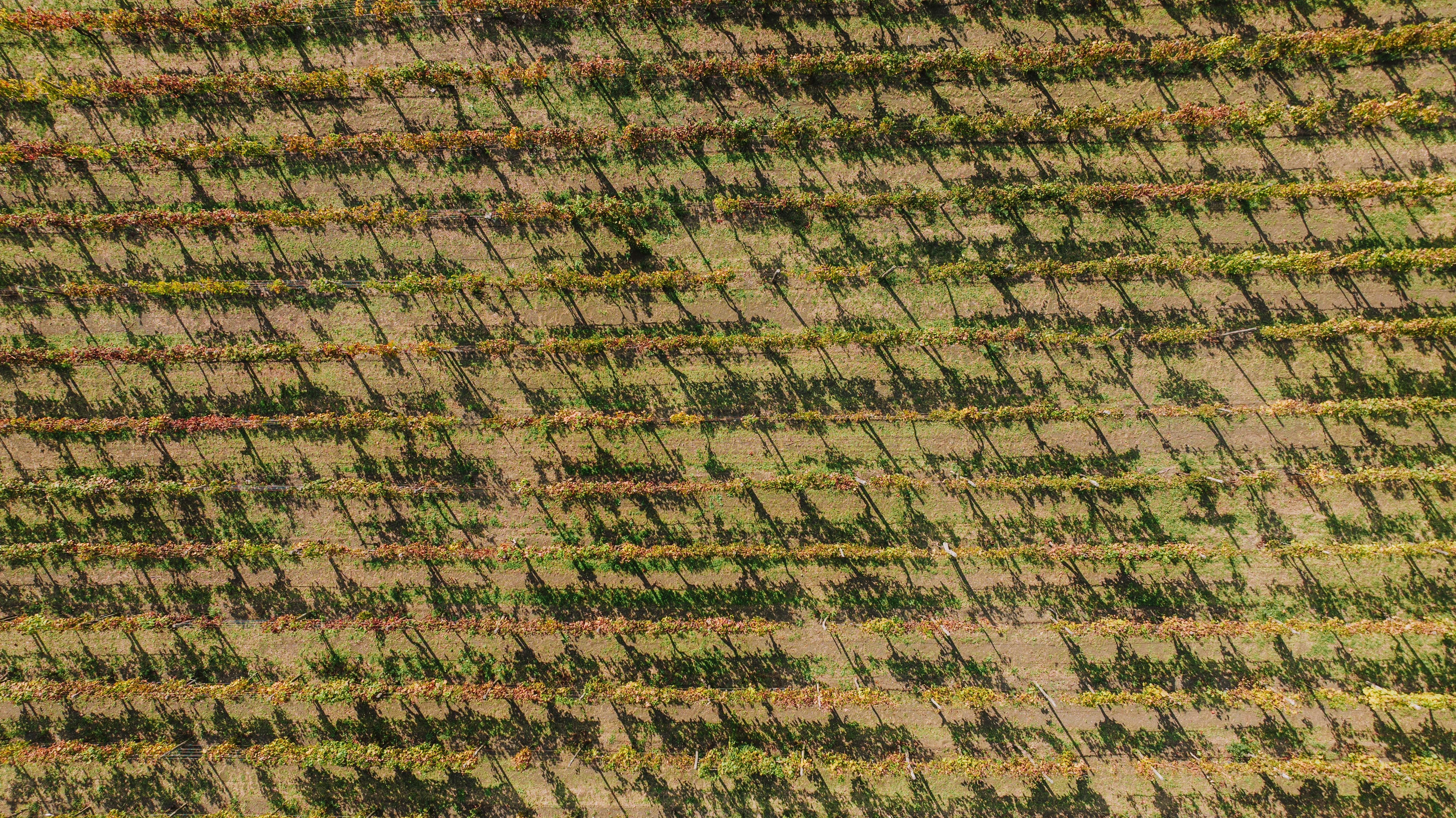
Campania makes wine from grapes that were old when Rome was young, and it means that almost literally. Aglianico, the dark and tannic red the region leans on, most likely arrived with Greek settlers who worked this coast in the eighth century BC. The vines Campania is proudest of are the ones it has grown the longest, and that history does real work in the glass rather than sitting on the label.
What holds those old grapes up is the ground itself. Soils around Avellino and the slopes of Vesuvius are packed with ash and mineral debris from eruptions stretching back almost four thousand years, and that volcanic base gives the wines a saline, faintly smoky tension. It is the reason the whites here taste taut instead of soft. Irpinia, the cool hill country inland, turns that mineral edge into white wine that can hold for a decade, which almost nothing else in southern Italy manages.
Campania
Campania nearly walked away from all of it. Across the last century, phylloxera and rural poverty pushed growers toward higher-yielding, easier grapes, and the native varieties came close to vanishing. The Mastroberardino family refused to let them go. Rebuilding a wrecked estate after the Second World War, they replanted Fiano, Greco and Aglianico when few thought the effort was worth it. In 1996 the Italian state asked the same family to restore the ancient vineyard inside the ruins of Pompeii.
That patience built the region's serious appellations. Taurasi, made from Aglianico and often called the Barolo of the south, needs years in the bottle before its grip softens into something worth drinking. On the volcanic hills nearby, Fiano di Avellino and Greco di Tufo do what most southern whites cannot, gaining texture and a waxy, honeyed depth as they age rather than tiring after a summer. Give a good Fiano five or six years and it starts tasting of smoke and dried pear, closer to white Burgundy than to the fresh, gulpable southern whites most people expect.
Mastroberardino
Feudi di San Gregorio and a younger wave of Irpinia producers now sell these bottles to drinkers who have never heard any of the history, which is the truest sign the rescue worked. For anyone reaching for a Campanian wine, the useful takeaway is small and practical. The grape on the label earned its name centuries before it was fashionable, so give the reds a few years and do not fear a white with some age on it.