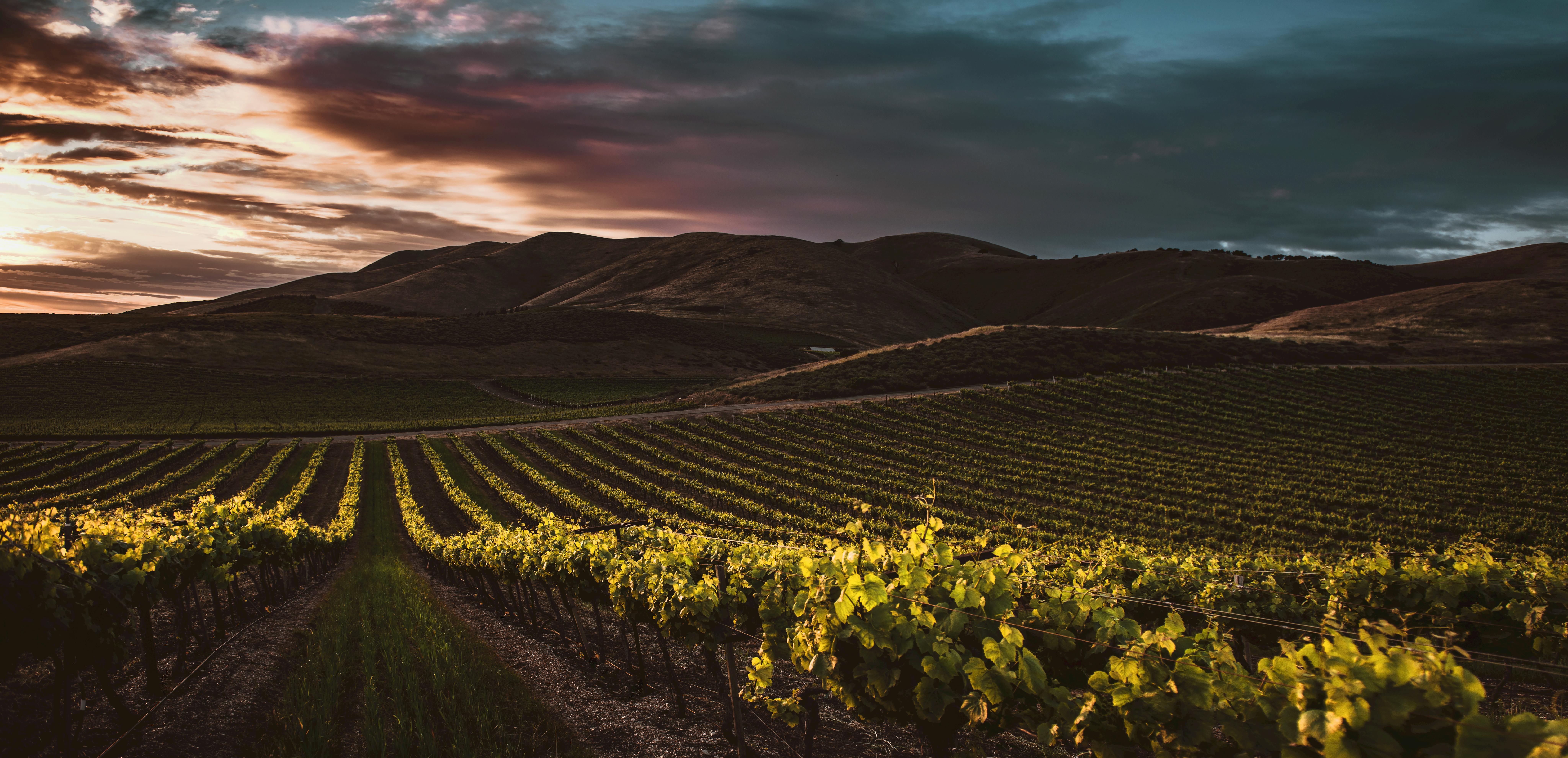
Larry Turley founded a wine estate in 1993 without planting a single vine. Instead, he went looking for old ones — Zinfandel and Petite Sirah plots scattered across California, many of them abandoned or at risk, their fruit going to bulk buyers or being left behind with the property. Turley's conviction was that age in the ground produces something age in the barrel never can, and the portfolio he has built around that premise is now the clearest argument for old-vine Zinfandel as a serious category.
Hayne Vineyard in Napa and Salvador Vineyard have both produced vintages earning 98-point scores from major critics. Both are old-vine sites, and both demonstrate what the oldest Zinfandel does differently from younger plantings: lower natural yields, deeper concentration, a structure that integrates even at high ripeness. Turley's top wines are not merely ripe Zinfandel — they are old-vine Zinfandel, and that distinction matters.
Tegan Passalacqua, who now leads winemaking at Turley, works all 50 vineyards organically. Of those, 31 are classified old-vine sites and 18 have vines over 100 years old, scattered across counties from Mendocino to Paso Robles. That geography means Turley is also running a map of California viticulture history — not a single terroir expression but a survey of what old Zinfandel looks like across a century of distinct growing conditions.
Turley
Zinfandel has spent decades trying to escape its reputation as an approachable, fruit-forward easy drinker. Turley's approach reframes the question entirely: the grape is only as serious as the age of the vine it comes from. Vines dating to the late 1800s, farmed without synthetic inputs, harvested from soils that have had a century to develop complexity — that is a different raw material, and the wines make it audible.