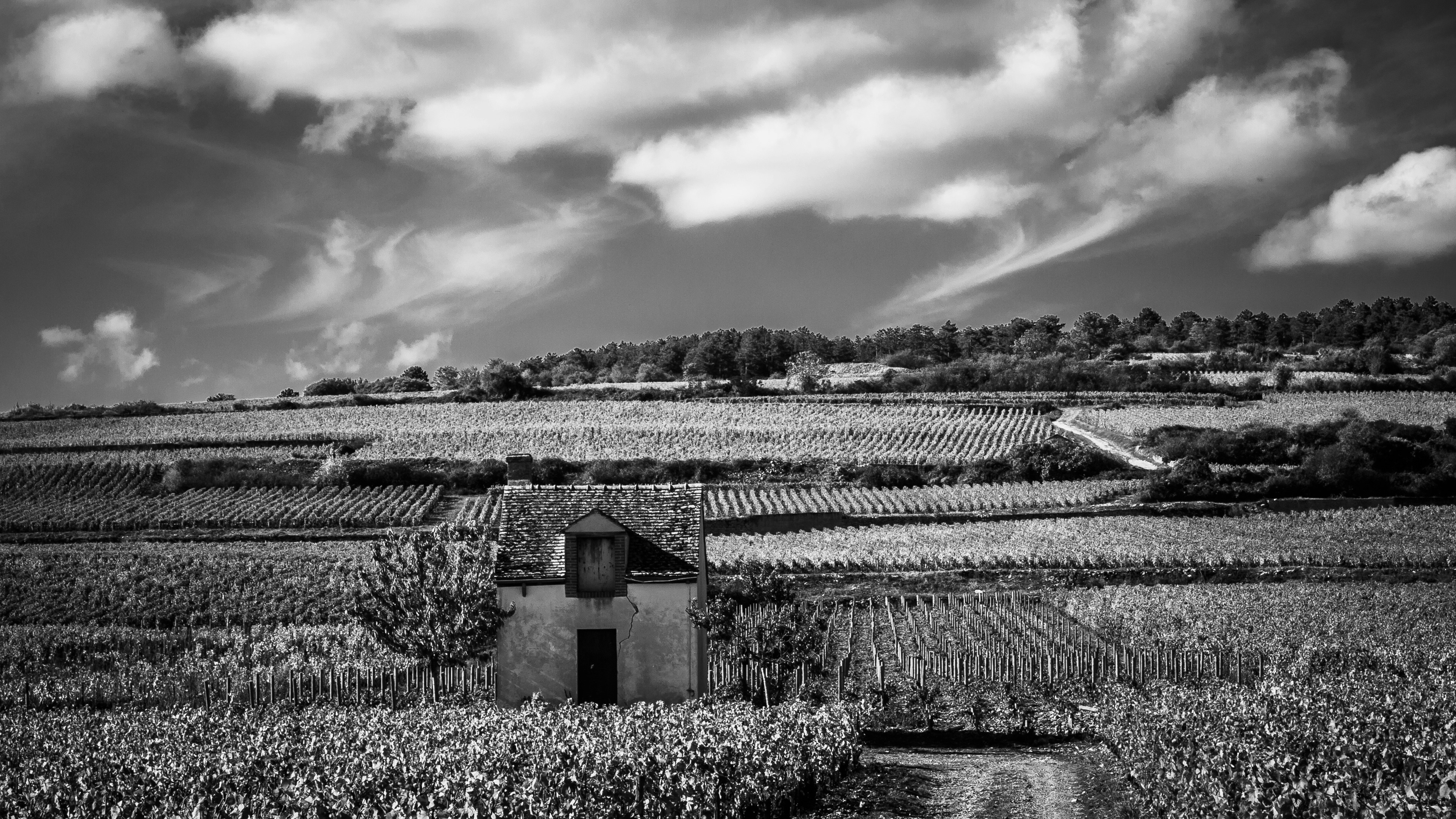
Vincent Girardin built a Burgundy house from a sliver of family vineyard in Santenay, ran it across a long career, then sold it and walked away from the label that bears his name. The wines on the shelf today have not noticeably changed since — and that is the more interesting story.
Girardin grew the family base into roughly 22 owned hectares across the Côte de Beaune and built a négociant arm at the same time, buying fruit from growers willing to accept his rules — higher trellises, no herbicides, no insecticides — at a moment when controlling outside fruit was still alien to Burgundy practice. The portfolio that emerged reaches up from Santenay through the Côte de Beaune and into the Nuits, with a handful of grand crus on either side.
Santenay
In 2012 Girardin sold the business and stepped out. The clean break was less clean than it looked, because Eric Germain — the winemaker hired years before the sale — stayed. The 2020 vintage averages 92.32 across 41 critic ratings on Femente, narrowly the house's strongest year of the last decade, and the range still reads as a Santenay-rooted Burgundy with the same restraint on extraction it had under the founder.
The Girardin name has since split. The label on the shelf is the house Eric Germain still makes for; the family vineyards Vincent kept passed to his son Pierre, who bottles under his own name and is the one drawing the press now. For a buyer reaching for a Vincent Girardin Volnay, that means a brand running on continuity, not an estate run by the man on the label — which is unusual in Burgundy, where the assumption is always the opposite.