Australia's most awarded sweet wine comes from a region built to make the opposite of fine wine. Irrigated, hot and engineered for volume, the Riverina is the source of much of the country's cask and supermarket wine — and the home of De Bortoli's Noble One.
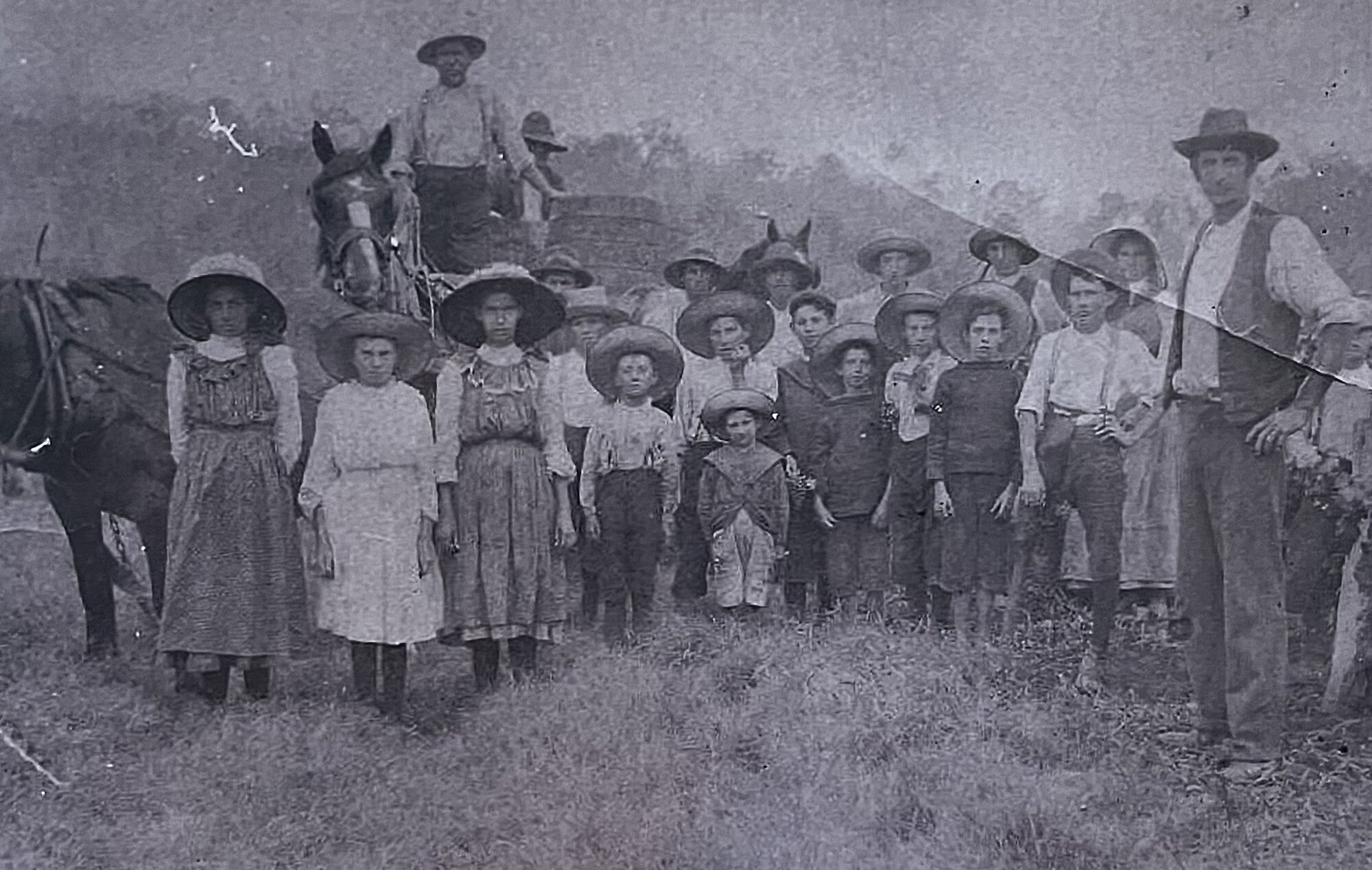
De Bortoli began as an immigrant story. Vittorio De Bortoli arrived from northern Italy and planted at Griffith in the late 1920s, part of the wave of Italian families who turned the Riverina into farmland. For two generations the winery did what the region did, making sound, inexpensive wine in bulk. It was honest work, and almost entirely anonymous.
Noble One changed the address. First released in 1982, it is a botrytis Sémillon — fruit left on purpose to be taken by noble rot, the fungus that shrivels grapes and concentrates their sugar into something unctuous and long-lived. Making a serious dessert wine where the country made its cheapest reds was the gamble, and critics now rate the best examples in the mid-90s. It became the benchmark other Australian sweet wines are measured against.
New South Wales
That credibility paid for ambition elsewhere. That same family now makes estate Pinot Noir and Cabernet in the cool Yarra Valley that reach the same heights on the scoresheet, so a De Bortoli label tells you little until you read the rest of it — one bottle is a Riverina sticky, the next a Victorian red, and only the standing built by the first explains why the second gets taken seriously.