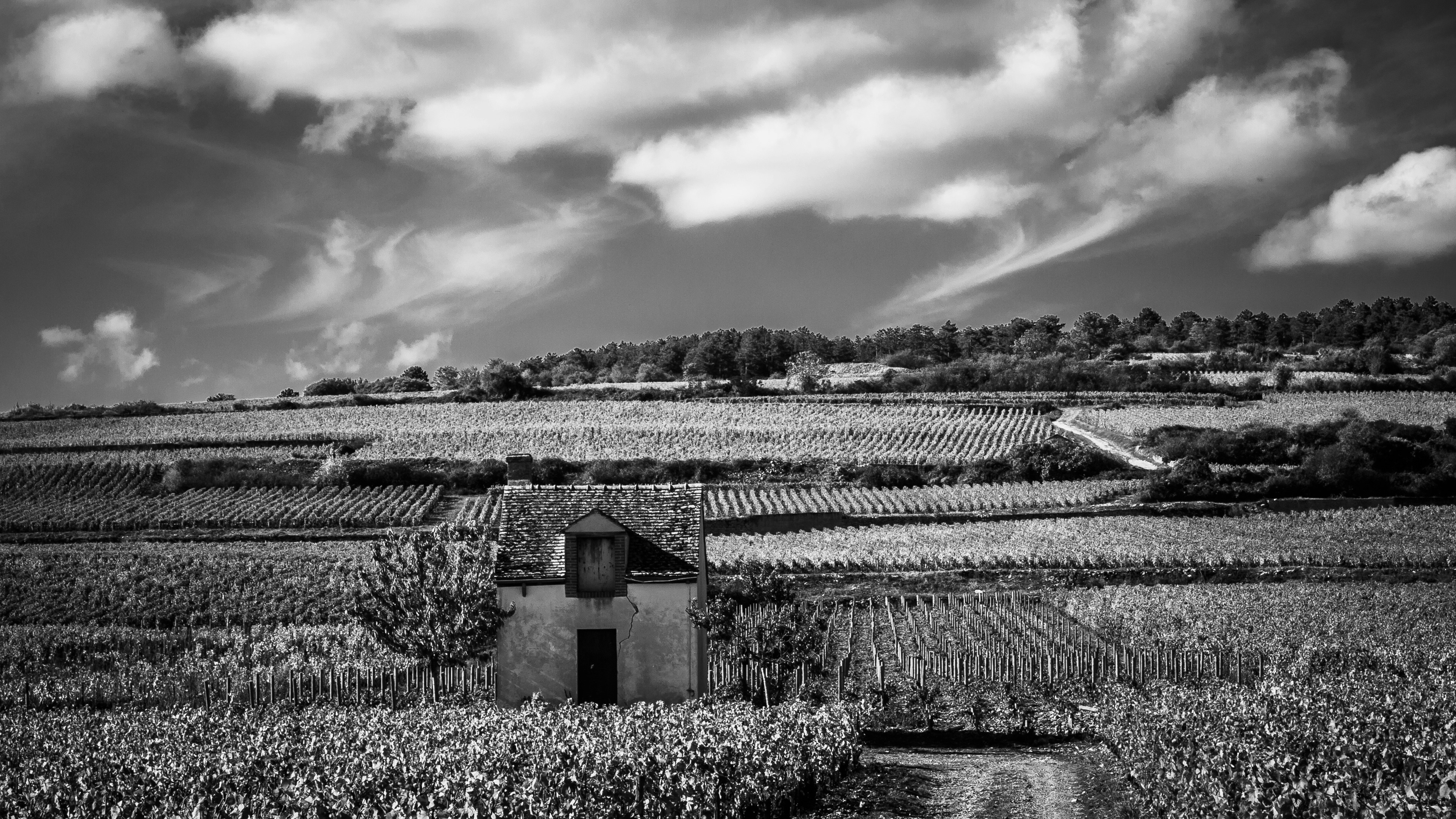
Domaine Leflaive's reputation in Puligny-Montrachet rests on two bets that the rest of white Burgundy considered eccentric at the time. In 1997 the estate converted to biodynamics, decades before the practice was respectable in Bourgogne. In 2014 it abandoned natural cork for the DIAM synthetic, breaking with the closure that defined fine wine. Both moves were about the same problem.
That problem is that white Burgundy is too fragile to leave variables uncontrolled. Anne-Claude Leflaive, the oenologist who pushed the biodynamic conversion, was less interested in the cosmic-energy framing than in the soil — decades of pesticides had left the domaine's Grand Cru parcels almost lifeless. Conversion was a long, slow recovery project that read forward as a quality statement and read backwards as triage.
Bourgogne
Anne-Claude died of cancer in 2015 at 59. Her nephew Brice de la Morandière inherited an estate already known for taut, mineral Puligny — and inherited the premature oxidation crisis that had wrecked the reputation of mid-2000s white Burgundy. DIAM corks from the 2014 vintage were his answer, protecting the wine without the bottle-to-bottle lottery of natural cork.
Grand Cru holdings cover 5.1 hectares in Puligny, anchored by Chevalier-Montrachet. Esprit Leflaive, the négociant arm Brice added, buys biodynamic fruit from growers the estate has converted further south, extending the practice beyond the home parcels. Both moves serve the same long horizon.
Biodynamics is no longer eccentric and DIAM is no longer unusual. What's left to buy from Leflaive is the consequence of being right early — vines that recovered twenty years ago and closures tested in cellar for over a decade. Most of fine wine is still catching up.