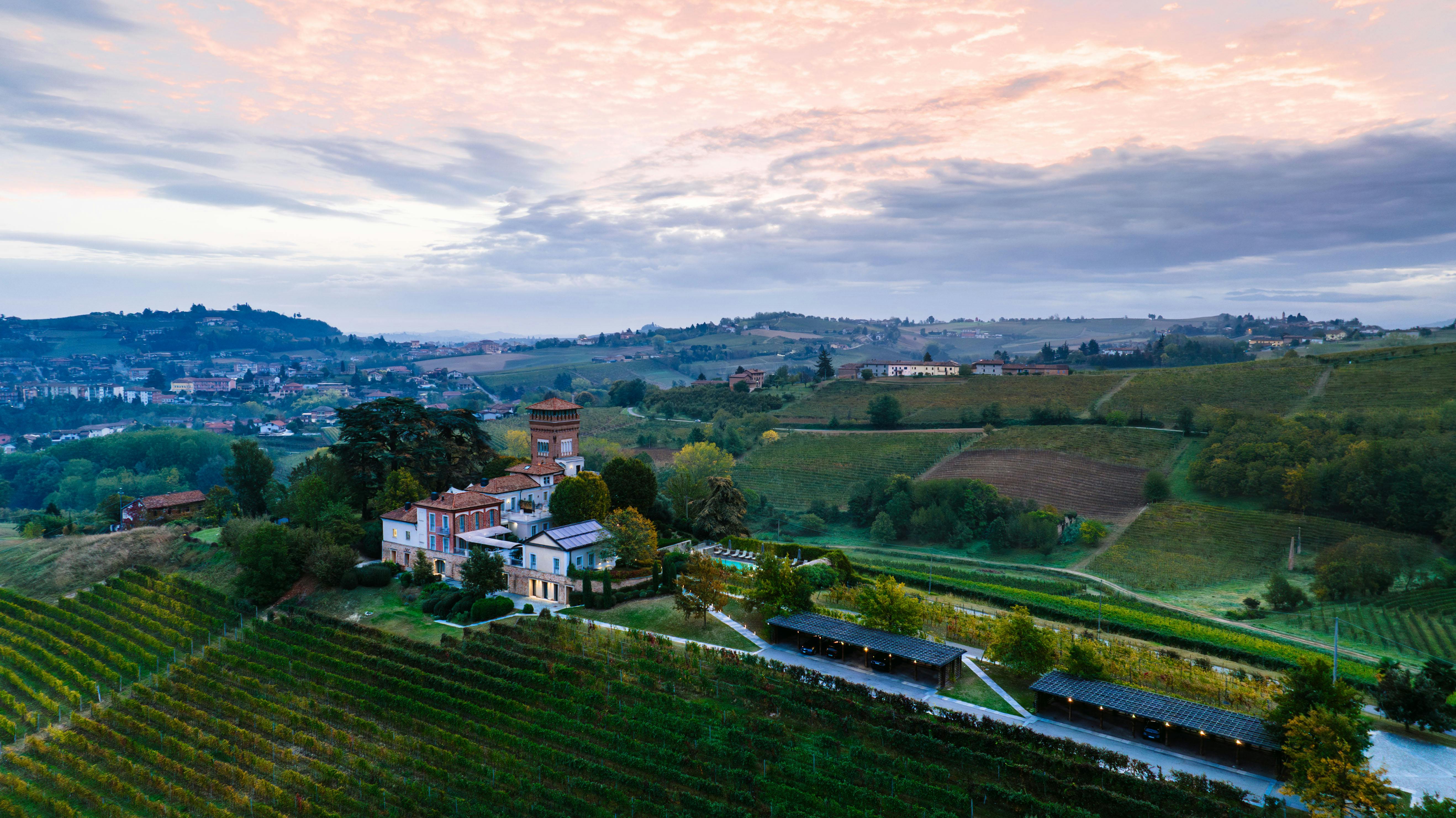
Nebbiolo built Piemonte's reputation by refusing to make easy wine. Late to ripen, thin-skinned, hostile to anything but the right slope at the right exposure, the grape rewards patient sites and punishes everything else. Which is why recent warming has rewritten the regional map in two directions at once — one obvious, one quietly more interesting.
The first direction is consistency. Recent Barolo vintages sit in a band of critic averages so narrow it would have been hard to imagine a generation ago. 2016 still defines the top end, but 2019, 2020 and 2021 all land in the same neighbourhood, and the worst recent vintage is barely two points back. Three strong years in a row, with a stable floor underneath. Barolo has not had this kind of run before, and warmth is most of the reason.
The consistency shows up most clearly in the so-called normale Barolo — the entry-level village wines without a cru on the label. Producers like Vietti, Bruno Giacosa and Giacomo Conterno are now reliably bottling wines at that tier that an earlier generation would have blended away into riserva cuvées. A flatter vintage distribution lifts the floor more than the ceiling: the great wines were always great, but the village wines used to be uneven. They mostly aren't anymore.
Barolo
The second direction is north. Alto Piemonte — Gattinara and a constellation of smaller appellations on volcanic soils above the Langhe — was Nebbiolo's commercial heartland before phylloxera, war and the pull of textile factories hollowed it out. The cooler climate that defined those wines was also their problem for the long stretch when the grape often failed to ripen there. Spanna, the local name for Nebbiolo, sat at the back of the regional shelf. A warmer growing season has changed that. Travaglini in Gattinara is now making wines that drink like the austere, lifted Barolo of an earlier era — pale, structured, patient.
The practical translation for a buyer is double-edged. The Barolos landing on shelves now are more dependably good than they would have been a generation ago, so the producer name matters a little less than it used to. But the more interesting purchase is increasingly the one further north, where a Gattinara at a fraction of a Langhe-cru price tastes like the Nebbiolo people remember being surprised by. Same grape, different climate logic — and for once the second story is the better deal.