Wine's romance leans on the cellar — dusty bottles, decades of patience, a payoff years away. For the overwhelming majority of wine, that picture is simply wrong. Roughly 90 percent of all wine is made to be drunk within a year of release, and most of it is at its best the day you carry it home. Ageing is the exception, not the rule.
What lets a wine improve is structure, mainly tannin and acidity. Both act as preservatives: tannins slowly knit together and soften, while acidity holds off oxidation the way a squeeze of lemon keeps cut fruit from browning. A wine without much of either has nothing to carry it forward, so instead of developing it just fades — the fruit drops away and the wine turns flat. For these bottles, time subtracts rather than adds.
The wines built to age are a small, specific club. Nebbiolo, the grape behind Barolo, pairs ferocious tannin with high acidity, and that bracing structure when young is exactly what guarantees a long life. A benchmark Brunello on Femente carries critic-rated vintages stretching back to 1990, a track record almost no everyday red could manage. Even so, only about one percent of all wine still improves after five to ten years in bottle.
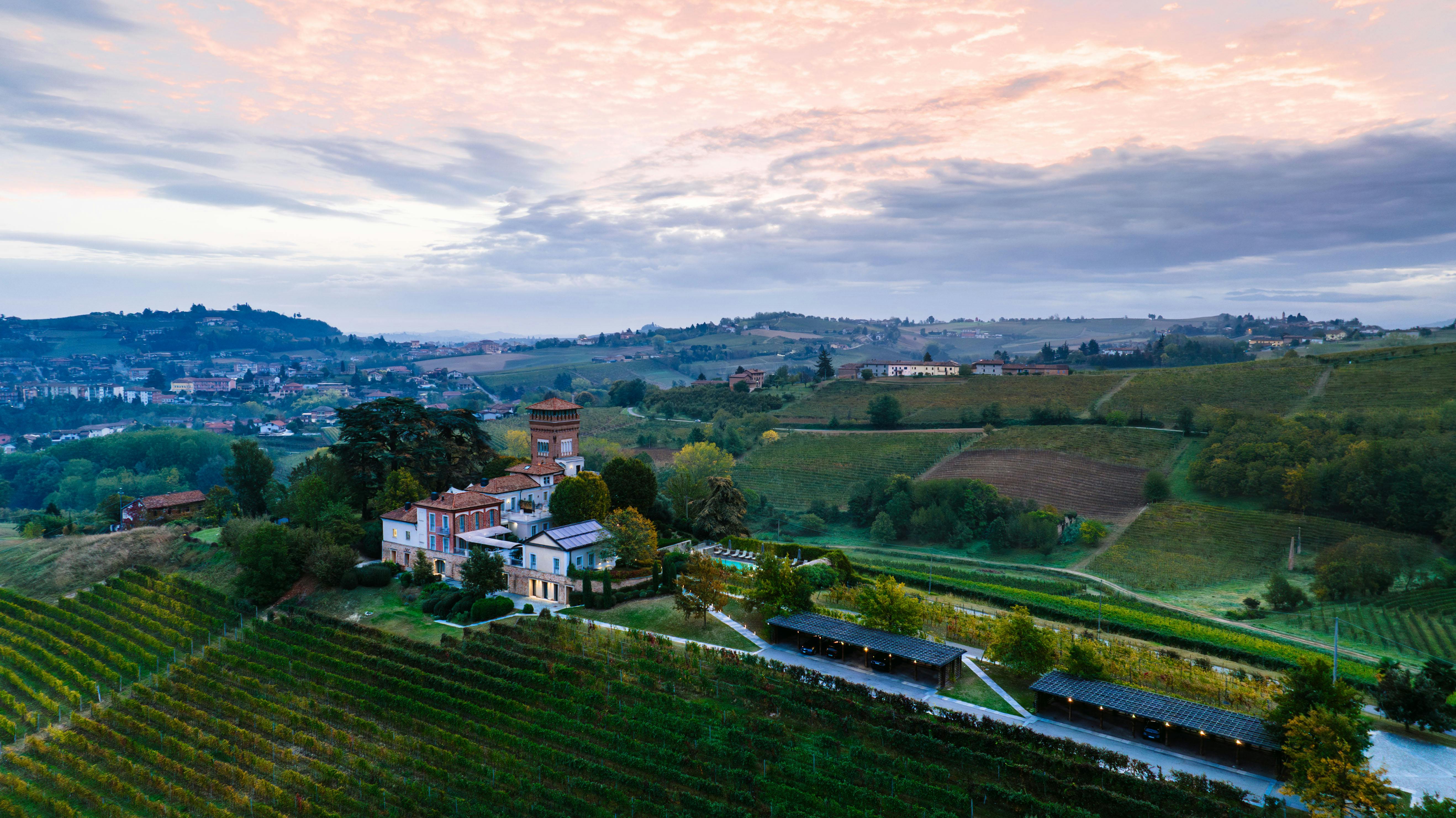
Piemonte
The useful question, then, is not whether a wine can age but whether it was made to. Price is a rough guide, since structured, age-worthy wine costs more to grow and make, but the surer test is balance: a wine that feels complete and harmonious young will keep, while one that tastes thin or disjointed now will only get thinner. For the bottle on your kitchen counter, the honest answer is almost always the same — open it tonight.