Grapes that have been visibly rotting on the vine sound like a vineyard failure. In the right place at the right time, they make some of the most expensive wine in the world. Botrytis cinerea is the fungus responsible — grey rot when it goes wrong, noble rot when it goes right — and the difference between those outcomes is mostly weather.
Noble rot needs a particular autumn pattern: damp, misty mornings to let the fungus colonise the grapeskin, followed by dry, breezy afternoons that arrest its growth and let the berries shrivel. Punctures in the skin let water evaporate, and the sugars and acids that remain are concentrated several times over. What ends up in the press is closer to syrup than juice, and what ends up in the bottle ages for decades.
Three places do this reliably and have done for centuries. Hungarians at Tokaj wrote it down first — Aszú-method wines appear in cellar inventories from the 1570s. Schloss Johannisberg in the Rheingau picked up the technique around 1750. Sauternes came last, building the most famous luxury industry on it and earning its own classification alongside Bordeaux's great reds in 1855.
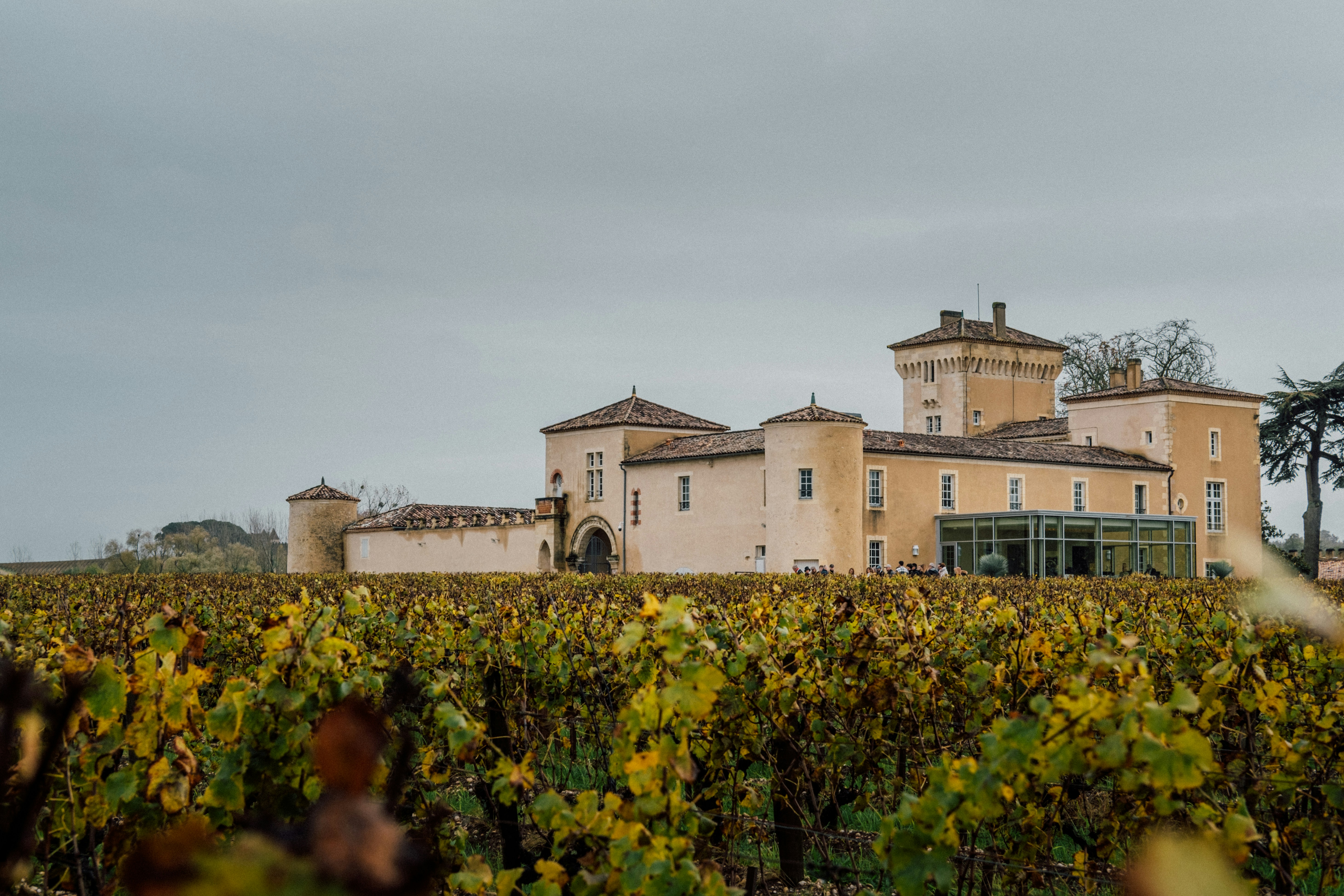
Sauternes
Production is brutally inefficient. Each cluster ripens unevenly because botrytis colonises it berry by berry, so pickers walk the same vine multiple times across a season, taking only the shrivelled fruit at each pass. Yields fall to a fraction of a normal vintage — Château d'Yquem famously claims one glass of wine per vine. When the weather doesn't cooperate, the entire crop is sold as ordinary dry wine or written off, which is part of why noble-rot wine remains expensive even when nothing else about it is.
Modern sweet-wine reputation lives partly in the shadow of a syrupy stereotype none of these wines deserve. Aged Sauternes tastes more like honey-coated tropical fruit cut with a citrus and saline edge than like dessert in a glass. Tokaji Aszú is leaner still — drier on the finish, with an acidity that holds it together for half a century. Either is the answer to the wine drinker who claims not to like sweet wines: chances are good they have not had one made this way.