Most foods have a family of wines that work. Goat cheese is one of the rare exceptions: it has essentially one answer. High-acid, unoaked white. And by accident of geography, the Loire Valley happens to be the world's reference point for exactly that style of wine. The Loire grows the goat cheese and the wine in the same villages, and the pairing was written by the geography rather than by sommeliers. Almost everything else is a workaround.
Why the match is so specific
Goat cheese is high in lactic acid: the same acid that makes the cheese taste tangy and that gives fresh chèvre its characteristic chalky texture on the palate. To pair with it, a wine has to match or exceed that acidity. Anything less and the cheese's tang will make the wine taste flabby and short.
The second requirement is more interesting. Goat cheese's lactic character pairs specifically with mineral wines: flinty, chalky, salty rather than just acidic. A high-acid New World Sauvignon Blanc (Marlborough, for example) has the acidity but rarely the mineral lift; the wine and the cheese end up sharing fruit notes rather than the mineral-and-tang interlock that makes the textbook pairing sing.
The third requirement is the negative one: no oak. Oak ageing imparts vanillin, a compound chemically related to vanilla extract. Vanillin is a sweet, soft aromatic, and it clashes head-on with goat cheese's lactic sharpness. The same Chardonnay that pairs beautifully with grilled chicken is wrong for chèvre because the oak fights the cheese.
These three constraints narrow the field dramatically. The wines that hit all three are, in descending order of textbook-ness, Loire Sauvignon Blanc, dry Loire Chenin Blanc, dry Riesling, and a small handful of mineral whites from other regions.
Sancerre and Pouilly-Fumé: the textbook
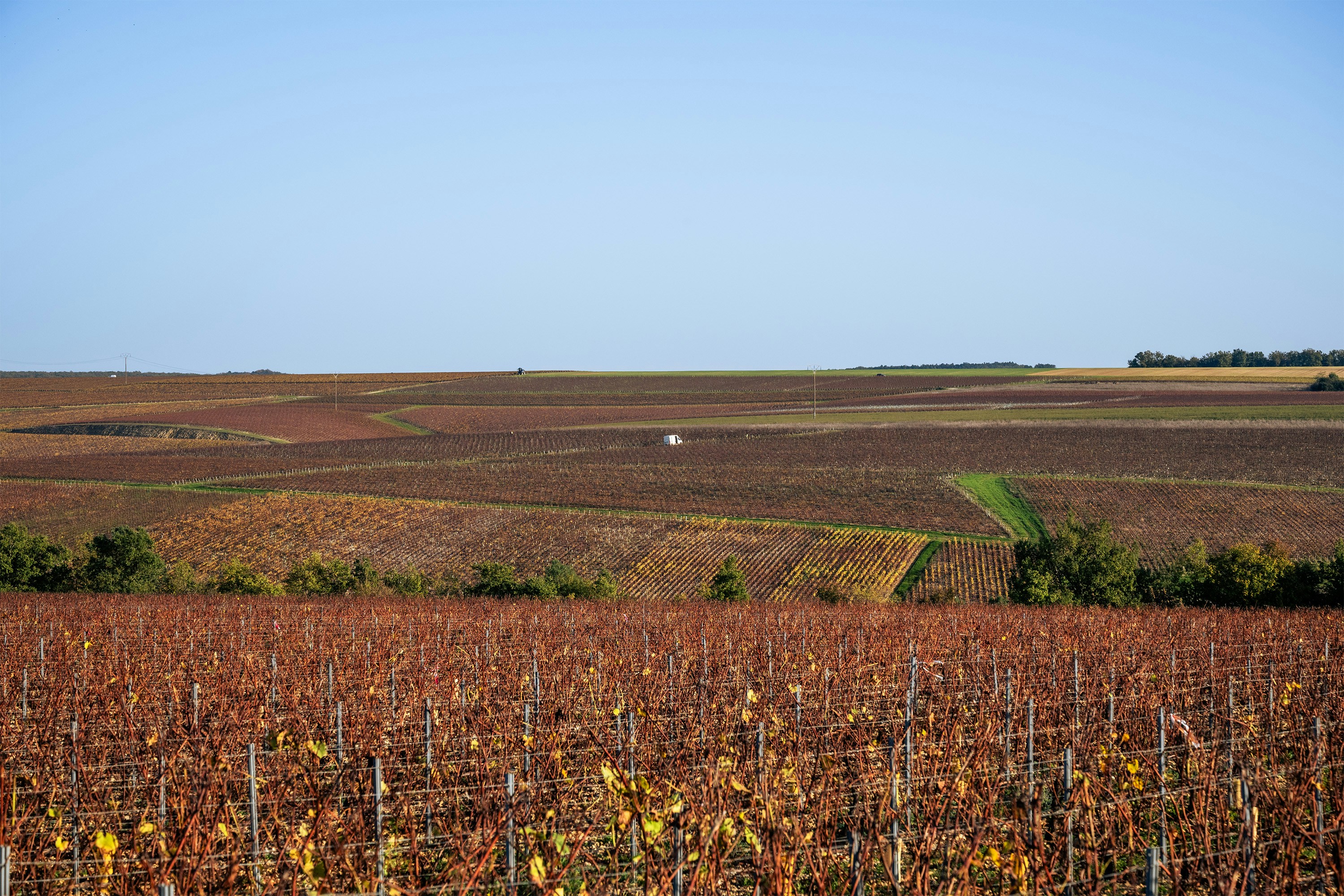
The two appellations face each other across the Loire river in the eastern part of the valley, both growing Sauvignon Blanc on Kimmeridgian chalk and flint soils. Sancerre is on the western bank, Pouilly-Fumé on the eastern. Same grape, same geological substrate (the same band of chalk that runs under Chablis 200 km north), slightly different expression: Sancerre tends to be cleaner and more citric, Pouilly-Fumé slightly smokier with a flintier mineral note (the "fumé" in the name refers to a smoky character the locals attribute to the flint).
The pairing is geographical: Crottin de Chavignol, the small disk-shaped goat cheese that comes from the village of Chavignol within the Sancerre appellation, is the historical reference. The wine and the cheese are produced in the same square kilometre. Generations of producers paired them across the kitchen table, then the rest of the wine world noticed.
The structural read on why it works: Sancerre's acidity slightly exceeds the cheese's; the chalk minerality echoes the cheese's chalky texture; the citrus and the pyrazine (green pepper, gooseberry) aromatics of Sauvignon Blanc contrast cleanly with the cheese's herbal lactic character without competing with it. From Loire and the broader Sauvignon Blanc-producing band, Menetou-Salon, Reuilly, and Quincy are the value alternatives: same grape, similar soils, lower prices because the names are less famous.
Chenin Blanc: when you want texture
Loire Chenin Blanc is the second answer, and the right one when the cheese is aged. Dry Vouvray, Savennières, and dry Saumur deliver the same mineral lift as Sancerre but add a waxy, honeyed texture that flatters older goat cheese specifically. The match works because aged goat cheese (Sainte-Maure de Touraine wrapped in straw, ash-rind Selles-sur-Cher, pyramidal Valençay coated in vegetable ash) develops a richer, more concentrated flavour as it loses moisture. The wine needs to gain texture to keep pace, and Chenin does that without losing the acid backbone the pairing depends on.
The textbook pairing here is, again, geographical: Sainte-Maure de Touraine and dry Vouvray are produced in the same region of the central Loire, and they share more aromatic compounds than the cheese-and-wine families suggest. Savennières (the same grape grown on schist further west) is the structurally drier, more austere alternative for very aged cheeses; demi-sec Vouvray (with a few grams of residual sugar) is the move for the in-between case where the cheese is starting to go properly chalky.
Dry Riesling: the crossover
For people who don't drink Loire wines, dry Riesling is the closest crossover answer. Alsace trocken and Mosel trocken Rieslings share Sancerre's mineral character (different geology, granite and slate rather than chalk, but the same lift on the palate) and have generally higher acid than Sauvignon Blanc. From Alsace, Trimbach is the textbook dry-Riesling producer (the Clos Sainte-Hune is the prestige peak and ages 30+ years); Domaine Weinbach, Domaine Zind-Humbrecht, Marc Kreydenweiss, and Marcel Deiss cover the rest of the prestige tier: look for Grand Cru Rieslings labelled "sec" or with no residual-sugar indication. From Mosel, Dr. Loosen and Selbach-Oster both produce serious trocken Rieslings alongside their more famous sweeter Prädikats.
The pairing works particularly well with goat cheese served warm: salade de chèvre chaud, the bistro classic where a round of warm chèvre sits on a piece of toasted bread on a green salad. The warmth softens the cheese's tang slightly and pulls out more of its herbal notes, which dry Riesling matches more cleanly than Sauvignon Blanc does. The Mosel's slate-driven minerality is the specific pick for this preparation; a Saar Riesling from Forstmeister Geltz-Zilliken gives the cleanest expression of that geology.
What doesn't work
Red wines are the most common failure. Tannin binds with the cheese's proteins and produces a chalky, bitter aftertaste. Both the wine and the cheese taste worse. There is no red wine that works well with fresh goat cheese; the structural conflict is unavoidable.
Oaked whites are the second failure. Oaked Chardonnay's vanillin clashes with the lactic tang; the wine reads as sweet and soft, the cheese reads as sharper than it is, and the pairing tastes unbalanced. The same wine that pairs cleanly with grilled chicken or roast pork is wrong for chèvre.
High-alcohol whites (anything over 13.5%) overwhelm the cheese's subtlety. New World Sauvignon Blanc from Marlborough or California sometimes works, sometimes fails depending on the producer: the fruit-forward style at 13% can pair, the riper 14%+ style usually doesn't.
Sweet wines are an interesting near-miss. Sauternes and similar botrytised sweets pair with blue cheese beautifully and with goat cheese awkwardly: the residual sugar fights the lactic acid rather than complementing it. The exception is aged goat cheese with very specific botrytis sweet wines (a young Sauternes with an aged Valençay), but it's the kind of pairing that has to be tasted to be trusted.
The aged-cheese exception
As goat cheese ages (past six weeks, into the realm of properly chalky, properly concentrated cheese) the rules shift. The lactic sharpness mellows. The texture becomes drier and more compact. The flavour becomes nuttier and more meat-like.
At that point, a light red can work. A village-level Beaujolais (Brouilly, Régnié) or a chilled Loire Cabernet Franc (Chinon, Bourgueil) carries enough fruit to flatter the cheese without enough tannin to fight it. Dry sherry (manzanilla or fino) is the other unexpected match for fully-aged goat cheese; the sherry's flor character mirrors the cheese's age-driven complexity.
But this is the edge case. For fresh and lightly-aged goat cheese (chèvre frais, young Crottin, fresh Sainte-Maure) the Sancerre rule is right almost every time. The wine world doesn't have many pairings this airtight, so it's worth taking advantage of the one that is.
For the broader Loire context, see any of the regional Loire pieces in our archive. For the contrast with cooking-method-driven pairings, Wines That Pair With Grilled Chicken shows where oaked whites belong instead.