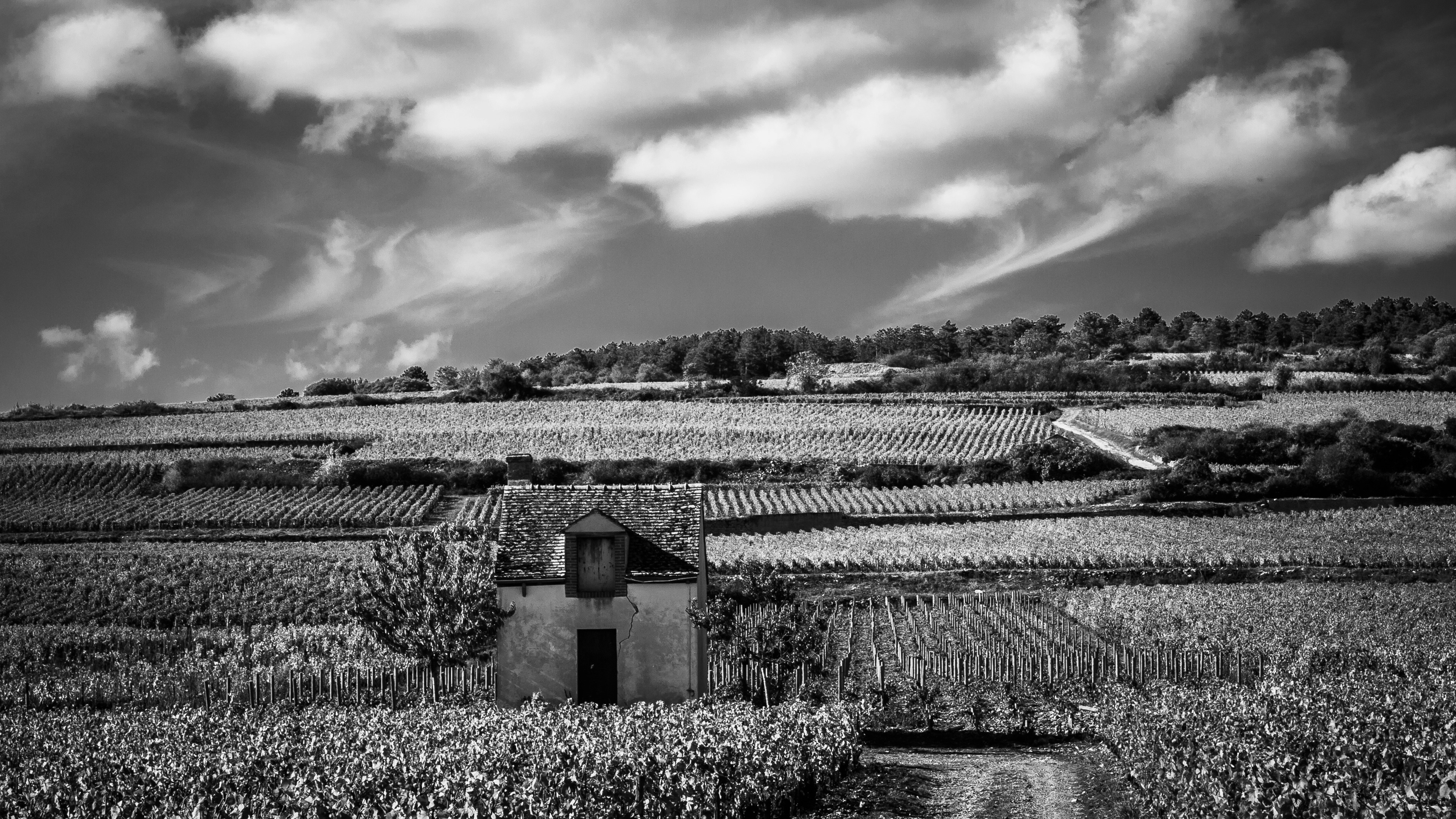
Beef is the most-paired food in our entire wine index: 579,261 indexed pairings between specific wines and the broad Beef category, more than any other food. (Poultry has more total, 644,232, but spreads across many lighter wines; beef concentrates the prestige red catalog.) The classic instinct that "steak needs red" turns out to be statistically correct: 99.7% of beef pairings in our index are red wines. Here's what that tells us about which red wines actually work, and the specific bottles to reach for at each grape.
The structural reason red wine works
The match between red wine and red meat is less about flavour and more about structure. The proteins and fats in a steak coat the palate; the wine has to cut through. Tannin (the astringent compound in red wine that grips the tongue) does that. The harder the steak (rib eye, sirloin, dry-aged), the more tannin you can use. Lighter cuts (filet mignon, beef tenderloin) want softer tannin.
The other axis is acidity. High-acid wines refresh the palate between bites; low-acid wines pool. Steak with rich sauces (peppercorn, béarnaise, butter) wants higher acidity; lean grilled steak wants moderate acid.
That's why the same five grapes show up over and over in steak-pairing recommendations: each one delivers a different combination of tannin and acidity within the broader red-wine family. Pick the grape that matches your specific steak.
The five canonical pairings
Cabernet Sauvignon: the default
133,884 indexed pairings with beef, by far the most of any grape. Cabernet Sauvignon brings high tannin and moderate acidity; the structural match for a hard-grilled, well-marbled steak is unbeatable. The classic high-end pairing is Bordeaux Left Bank (Pauillac, Saint-Estèphe, Saint-Julien) or Napa Cabernet. From Bordeaux, Château Haut-Brion's 2018 (100 from Wine Advocate, profiled in our 2018 vintage piece) is the canonical demonstration. From Napa Valley, Hundred Acre and Abreu are at the cult-tier ceiling, both with 100-point Cabernets.
Syrah / Shiraz: the spice match
102,304 pairings. Syrah brings dark fruit, white pepper, and slightly softer tannin than Cabernet. The match is most distinctive with peppercorn-heavy steaks, BBQ, or red wines from the Northern Rhône (Côte-Rôtie, Hermitage, Cornas) where the grape develops its most expressive character. Australian Shiraz (Barossa, McLaren Vale) is the riper, jammier alternative: works well with sweeter sauces.
Merlot: the soft-tannin alternative
98,421 pairings. Merlot has lower tannin than Cabernet and rounder fruit; it's the right wine for filet mignon, beef carpaccio, and dishes where the meat is leaner. The most prestigious Merlot-led wines are Pomerol (Right Bank Bordeaux). Château Pétrus (100 from Wine Enthusiast) is the apex.
Pinot Noir: the lighter choice
77,921 pairings. Pinot brings the lowest tannin of the major beef-pairing reds and the highest acidity. It works for lighter beef preparations (beef tenderloin, beef tartare, beef carpaccio) and for mushroom-driven sauces where the earthy notes in Pinot harmonize with the fungi. From Burgundy, Domaine Leroy's Richebourg Grand Cru (100 from both Decanter and Wine Spectator, profiled in Baden vs Burgundy) is the canonical apex.
Grenache: the Rhône backbone
76,965 pairings. Grenache rarely stands alone at the prestige tier; it's the backbone of Rhône blends (Châteauneuf-du-Pape, Côtes du Rhône Villages, Gigondas) where it's combined with Syrah and Mourvèdre. The combination delivers a smoother, fruitier red wine experience than pure Cabernet: works well for cassoulet-style stewed beef, beef stew, slow-cooked short ribs.
The geography of steak-pairing wine
Three regions dominate the indexed steak-paired catalog:
- Bordeaux: 20,621 wines. The historic match. Cabernet-led blends from Médoc, Merlot-led blends from Saint-Émilion and Pomerol.
- Burgundy: 18,140 wines. The lighter-style pairings; Pinot Noir for the leaner cuts.
- California: 17,432 wines. Napa Cabernet specifically; the New World steakhouse standard.
The pattern reflects the historical wine-and-steak culture: France's classical fine-dining wine pairings established the Bordeaux/Burgundy split, and California's rise from the 1970s onward established the Napa Cab as a modern parallel. The bigger-bodied ripe Australian Shiraz and the warm-climate Chilean and Argentine Cabernets have entered the conversation more recently but haven't yet caught up to the volume of the European-and-California canon.
A quick decision matrix
| Your steak | The grape | Specific match |
|---|---|---|
| Hard-grilled ribeye, dry-aged | Cabernet Sauvignon | Napa Cab, Bordeaux Left Bank |
| Peppercorn / black pepper sauce | Syrah / Shiraz | Northern Rhône, Barossa |
| Filet mignon, lean cuts | Merlot or Pinot Noir | Pomerol or Burgundy |
| Beef tenderloin with mushroom | Pinot Noir | Burgundy or Sonoma Coast |
| Beef carpaccio / tartare | Pinot Noir or light Merlot | Burgundy village-tier or Loire |
| Slow-cooked, stewed | Grenache-led Rhône blend | Châteauneuf-du-Pape, Gigondas |
Where to start
For the canonical hot-grilled ribeye: a Napa Cabernet at the cult tier: see our Best Wineries in Napa Valley piece for the FEM-97+ list.
For the elegant filet experience: a Burgundy Grand Cru from Domaine Leroy or Maison Roche de Bellene: both have 100-point Pinot Noirs in our index.
For the spicy steak / BBQ direction: a Northern Rhône Syrah, ideally Côte-Rôtie. Our index covers the major Rhône producers; the regional FEM concentration is genuinely impressive.
For the food-truck steak / weeknight option: a Côtes du Rhône Villages or a Crozes-Hermitage: under €25, structurally similar to the prestige Rhône, won't fight the meat.
For the wine context, see our Five Critics piece: how each major prestige critic rates the same wine differently, particularly relevant when comparing American (Wine Spectator, Wine Enthusiast, Wine Advocate) and European (Decanter, Falstaff) palates on the same Cabernet or Syrah bottle.