Envínate works with vines that never had to be rescued. Most European vineyards sit on American roots, grafted there after phylloxera destroyed the continent's own in the nineteenth century. The Canary Islands were skipped. Vines there still grow on their original roots, a good number of them older than a century, and four winemakers built a reputation on bottling those plots one at a time rather than blending them into an island house style.
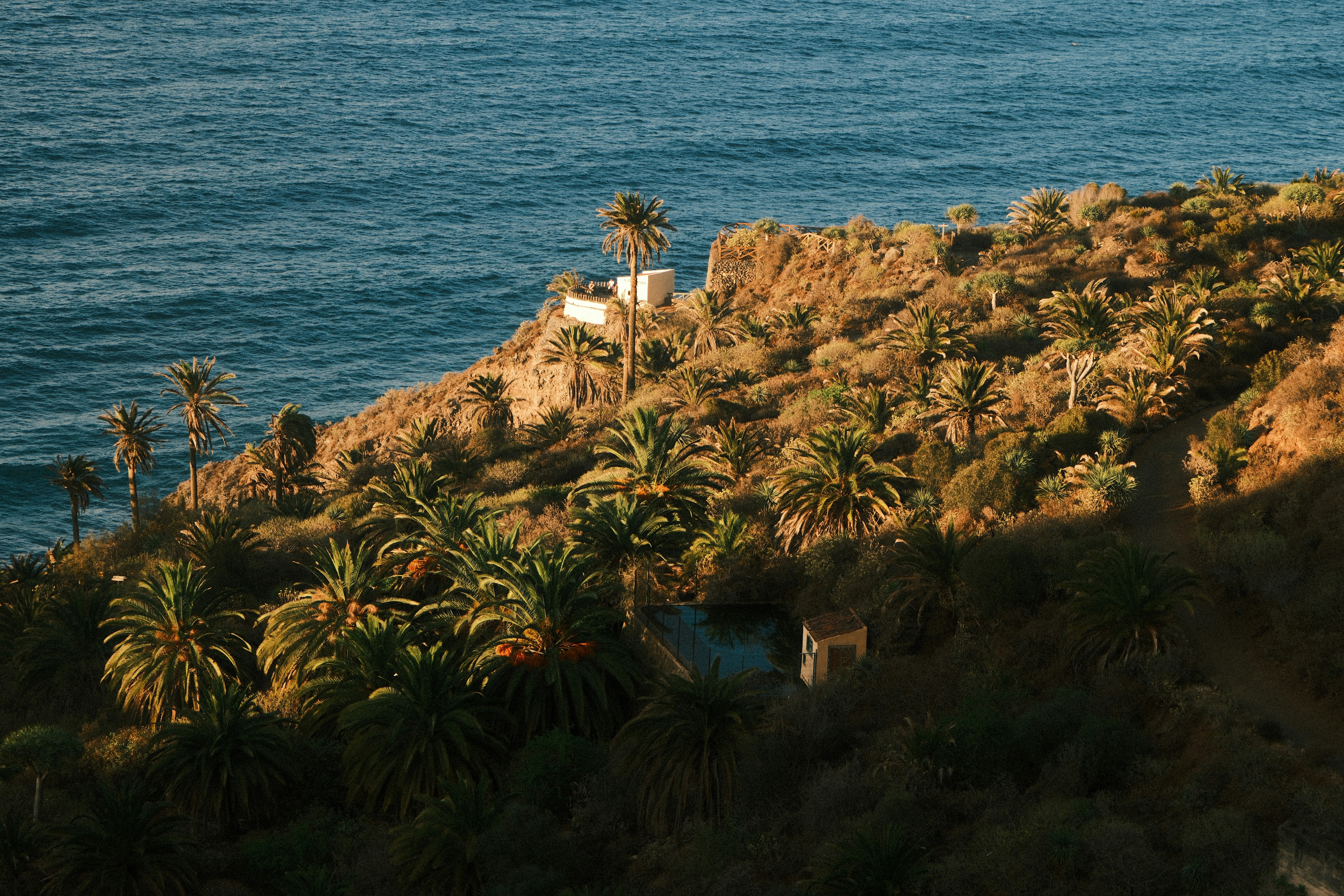
Tenerife is where the argument gets loudest. Táganan comes off terraced ground on the island's rough north coast, and the Parcela Margalagua bottling has taken a perfect 100 from a major panel. Read the wine and the reason is plain enough: 12% alcohol, raspberry as the dominant note, salt and wet stone sitting underneath it. Very little in Spain tastes like that, because very little in Spain grows on volcanic ground in the middle of the Atlantic.
Islas Canarias
Galicia is the other half of the project. The Lousas wines come from Ribeira Sacra, where Mencía is farmed on terraces cut into the gorges above the Sil, and they run lighter and more floral than the island reds. Same instinct in a different place: name the parcel, keep the alcohol low, stay out of the way of both.
What has changed is the safety of the inheritance. Phylloxera has now been found on Tenerife, an island whose entire vineyard stock is ungrafted and therefore has no defence against it. How far it has spread is not yet known. These bottles have stopped being a curiosity from a warm island and started being a record of vines that may not be replaceable on their own roots.