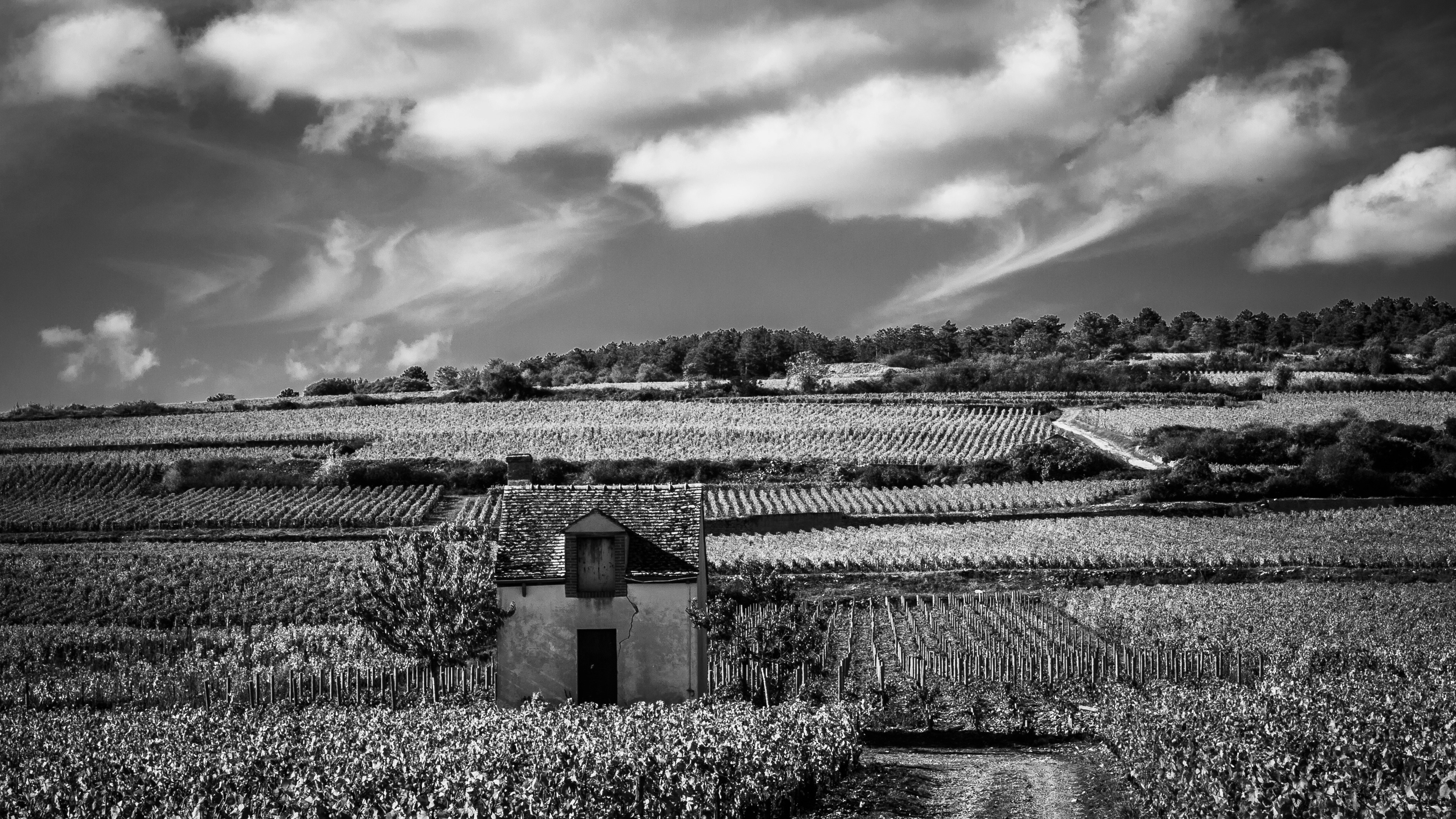
Few Burgundy houses have stayed in one family as long as Louis Latour, and fewer still kept the same cellar door open through phylloxera, two wars, and a wholesale change in what the world wanted from Burgundy. Latour bought its first vines in the Côte d'Or in the eighteenth century and has run a négociant arm out of Beaune ever since. What makes the house worth studying is not the longevity itself but the contrarian land bets that paid for it.
Its defining acquisition came in 1891, when the third-generation Louis bought Château Corton Grancey and the thirty-seven acres of grand cru that came with it. Corton's hill was then planted mostly to Aligoté; after phylloxera he replanted the Latour parcels with Chardonnay. That gamble is why Corton-Charlemagne today reads as a great white grand cru rather than a curious historical footnote, and it remains the wine the house is most often measured against.
Montrachet
Its next gamble came almost a century later: Chardonnay in the Ardèche from 1979, a region the trade did not associate with serious white wine and which now matches village-Burgundy quality for half the money. Cellar practice runs along the same contrarian grain — open wooden fermenters for the reds, brief flash-pasteurisation that critics still flag and the family still defends. Latour's Montrachet averages above 92 critic points across our tracked vintages, and the recent run sits at the top of that scoring history. What looks like quiet tradition was, every time, a bet.
